Sunday, 20 July 2008

Raw Food And Hayfever

OK - this article is mostly about hayfever and even if you don't suffer from hay-fever, PLEASE...pass this on to someone who does.)

The girl in the picture could be me as a teenager - I couldn't have spent more than 15 minutes in a field like this in June before getting wrecked with sneezing, and streaming eyes.

I was diagnosed with hayfever at the age of seven. In the Sixties, I was a bit of a rarity; not many people had it then, but of course since then the number of people suffering has grown enormously. As a child and teenager, my life from late April to early July was blighted by it. It got me in the country, by the sea, and in the middle of cities. Outdoor games at school were misery, and it was a big problem at exams, and the vital revision period leading up to them. I tried every anti-histamine under the sun (little effect) and lost a boyfriend through mixing anti-histamines and alcohol and spending most of our relationship half-asleep. I had allergy tests, courses of injections, annual booster injections...and in my twenties remember one particularly bad summer where whenever I could I'd stay in my flat with all windows closed.

Then, I discovered Beconase, a steroid spray. This seemed to be the answer;It reduced symptoms significantly and I was able to enjoy days outside in June again, as long as I remembered to puff this drug into my body three times a day, every day...It also seemed to me that my hayfever was improving slightly with age. But - I still never managed to get through a whole June without Beconase.

Until...raw food.

I've now had three summers on raw food, and...NOT ONE symptom of hayfever!

OK, so we know that all sorts of illnesses disappear on raw food, and with many there's an obvious connection. Instead of chucking into our bodies damaged toxic food we're running on good fuel instead.

But why should the raw food diet cure hayfever, which is said to be an 'allergy' to pollen, and which indeed always affected me most badly on windy, warm, 'high-pollen-count' days? What would food have to do with it?

When I first wrote this article in the summer of 08, I said 'I'm not sure why.' And went on to present a few theories.

Editing the article in summer 09, I'll run briefly through a couple, finishing with the one that does make total sense, and explains the true cause of hayfever.

In short, I am sure now what food, or, more accurately, an unhealthy lifestyle in general, has to do with hayfever.


THEORY ONE

Pollution

This I'd got from something I'd read pre-raw. It's that little bits of pollution in the air attach themselves to the pollen flying around, and that the bodies of healthy, vibrant, sensitive individuals will do their best to expel them.

Obviously, that somewhat flattering theory had always attracted me. Problem with that: I really wasn't that particularly 'healthy and vibrant' through my teens, when I had hayfever worst, and, anyway, after adopting a raw foods diet, one would think that the body, being 'ultra clean', would be more sensitive than previously, ie that I'd be sneezing even more rather than not at all.

So that theory doesn't really wash.


THEORY TWO

Milk

Pasteurised milk milk is linked with all sorts of illnesses, particularly asthma, which is part of the eczema/asthma/hayfever 'atopic' trio.

I never liked the taste of milk as a child and was allowed not to have it at school (we had free school milk in those days). But - I was OK with having it 'disguised', ie in tea, or in 'Nesquik' (milkshake) and did have cheese. So, it's possible that by the age of seven I'd ingested a lot of a substance that my body really didn't want.

Possible problem with that one: in my first summer without hayfever, I was probably 80-90% raw. What did the 10-20% include? Mozzarella and feta! However, it's true to say that I'd reduced my dairy significantly, so...could be a factor. (The second summer I was 100% raw vegan).

So 'milk theory' - a possible...


THEORY THREE

A general diet connection

The symptoms were at their worst in my childhood and teens. As a child, and teenager when at home, my diet was standard cooked, including meat, dairy, and desserts. I didn't eat a lot of salad or fresh fruit - I expect it was around, but I wouldn't have eaten it as back then I found fruit and salads boring! At school we used to sneak out at lunchtimes and a typical lunch was a plate of chips (French Fries) followed by two or three bars of chocolate.

As an adult, my diet was better. For most of my adult life it was vegetarian, or fish-and-vegetarian, and I loved salads (and remember eating a ton of fruit and salad each day when pregnant).And, from late 20s onwards, my hayfever wasn't as bad as it was as a child and teenager.

So - better diet = reduced hayfever symptoms. Seems plausible. But what's missing here is the WHY the better diet might lead to reduced symptoms.


THEORY FOUR - THE NATURAL HYGIENE EXPLANATION

This is the only complete explanation.

The true cause of hayfever is a build-up of toxins that cause inflammation of the mucous membranes of the nose, eyes. As to what these toxins might be, there could be thousands of suspects in the unhealthy lifestyle of 99% of those in the developed world. In the diet, cows' milk is a likely contender. In the lifestyle, exposure to smoke is one.

The lining of the membranes becomes inflamed and very sensitive to irritation. The inflammation is there constantly, and means that the nose in particular is particularly sensitive to any irritants in the environment.

Pollen is not the cause of hay-fever. The cause is what led to the permanently-inflamed membranes - the toxemia in the diet. The pollen is simply an irritant.

Natural Hygienist Dr Herbert M Shelton: 'The systemic condition of sensitised membranes is present before the plants shed their pollens. With most hayfever sufferers, these conditions are present all the year round. They do not become conscious of the sensitivitiy of their membranes until these are brought into contact with outside irritants. Pollens irritate sensitive membranes; they do not make the membranes sensitive. The real cause of the hayfever is the cause that sensitises the membranes.'

The reason some people get hayfever and others do not, is that it is simply that inflammation of the membranes is the particular way in which the bodies of those people have reacted to toxins in their lifestyles. Others may express their toxemia via other ailments. Shelton et al do say that those with 'neurotic tendencies' tend to express via inflammation of membranes (we-ell...OK, I'll go with that :-)).

So, how to cure hay-fever? Remove the causes of the inflammation.


Why I do know this explanation to be correct?

I wasn't born with hay-fever. As a toddler, I didn't spend half the summer sneezing. This is because it would have taken a while for toxins to build up to the level at which my mucous membranes became permanently inflamed.

As I mentioned earlier, the only thing that had ever 'worked' for me was Beconase. Beconase desentises the membranes of the inside of the nose! The fact that Beconase worked obviously said something about the state of the inside of my nose. However, as I don't want anyone rushing out to buy this as a 'short-cut', it did not remove the causes of the inflammation. It simply suppressed symptoms. The true causes remained, and were no doubt wreaking havoc on my body in other ways. And the drug itself would have had a negative effect on my body, depressing its self-healing ability.

*****

So, those who would like to wave goodbye to hayfever, for it never to return, need to make a radical change in diet, and that is to a raw, vegan diet, or at least raw vegetarian free of cow's milk and ideally very low in dairy. In the first summer that I had no symptoms, I was only 80-90% raw, but worth noting that I'd also stopped drinking tea and coffee, and had reduced dairy significantly. Note that dairy is a 'likely suspect', but there are vegans who suffer from hayfever as well! There could be all sorts of elements in the diet and lifestyle that cause inflamed membranes. All I can say for definite is that, before raw, I'd had hay-fever every single summer from the age of 7 to 48. In the three summers since raw - no hay-fever.

I went raw in the winter - six months before the hay-fever season, and it would appear that by that time the toxins had been sufficiently eradicated from my system for my hayfever to be cured in the first season.

However, those going raw just before the hayfever season may find that symptoms in the first summer may be worse. This is actually a good sign. Your body, being freed of the onslaught of the usual toxic burden, will be taking advantage of that to have a good 'clean out'. Bear with it. Next year, and every year of your life after, symptoms should be gone.


Here's me (really me this time), two summers after going raw.

So please pass this to a hayfever sufferer you know. Because it is WONDERFUL being able to roll around in the grass in the summer, spend all day outdoors (without drugs!) and not have to seal the hatches when the lawn's being mowed!

Saturday, 5 July 2008

'Where do you get your...calcium?'


'Where do you get your calcium?' Probably the second most commonly-asked question of the raw vegan (after 'Where do you get your protein?') and sometimes followed (especially if one is a woman of a certain age) with 'Aren't you worried about osteoporosis?' And those who ask are concerned because they've understood all their lives that we 'need' dairy for calcium.

Now please remember I'm neither doctor nor dietician etc etc, so please take everything I say with a pinch of salt. (On the other hand...don't do that.) I've drawn my conclusions simply from information gleaned from trawling the internet over the past year. But, this does suggest that raw vegans need not worry about calcium intake, or indeed osteoporosis (brittle bones). And, if you're a man, please do keep reading, as osteoporosis isn't confined to women, and...you do have teeth (I hope).

Why do we need calcium?

Altogether now... 'for healthy bones and teeth'! (and we need it for quite a few other things as well, eg proper blood clotting, muscle functioning, hormone activation, etc, and it's essential in the maintenance of the acid-alkaline balance.).

How much do we need each day?

UK Dept of Health recommends 700 mg (more when pregnant and breast-feeding)

Where can we obtain calcium on a raw vegan diet?

Two of the best, and widely-available, sources:

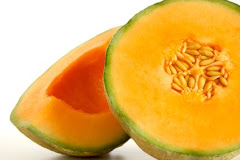
Dark green leaves (eg spinach/kale) (2 cups) 200 mg
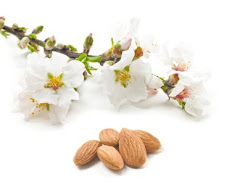
Nuts (eg almonds, hazelnuts)(100g) 200 mg

Also good:

  • Sea vegetables (100g) 200 mg
  • Watercress (100g) 150 mg
  • Lettuce (2 cups) 80 mg
  • Parsley (1 cup) 80 mg
  • Broccoli (1 cup) 80 mg
  • Figs (4 medium) 72 mg
  • Sesame seeds (50g) 70 mg (buy whole-calcium reduced by 90% when de-hulled.)
  • Olives (100g) 60 mg
  • Oranges (1) 50 mg (note the calcium is in the pulp and pith)

And calcium is also found in many other plant foods.

Note that natural sunlight is vital to calcium absorption. So, if the sun's shining outside right now, you know what to do when you've read this article! We can store Vitamin D for months. Were there any days in the summer where the sun was shining outside and you were spending (unnecessary) time on the computer? As well as Vitamin D, our bodies need Vitamins A, C, magnesium, phosphorus and various amino-acids to absorb calcium, so the healthier the diet overall, the more calcium will be absorbed.

(You may have heard that foods high in oxalic acid can inhibit calcium absorption, and that spinach is one of these. However, my research indicates that this would only be a problem if we have vast quantities of the tougher, mature leaves rather than the young leaves most of us eat. Chard and beet greens are also high in oxalic acid. I find Swiss Chard burns my throat and guess this is the acid, so avoid it for that reason. Beetroot itself gives me this sensation occasionally. The young spinach leaves I buy (and grow) don't when I eat them in leaf form, but occasionally do in smoothies. Basically, let your taste buds guide you.

Unnaturally large amounts of fibre can impair the body's ability to absorb calcium, but the key word here is 'unnaturally'. Bran, for example, is a fractured food - the fibre having been removed from the whole food, and bran can inhibit the absorption of calcium. Fibre that is ingested within whole fruit and veg should not have adverse effects.)

Salt can also have an adverse effect on calcium absorption. The World Health Organisation, in 'Vitamin and Mineral Requirements in Human Nutrition' tell us that sodium competes with calcium in the body. The more sodium, the less calcium is absorbed and that 'salt restriction is likely to lower our calcium requirements.'


'But I only eat one or two of those foods each day. How am I going to reach 700 mg?'

Fret not.

Why?

(1) The allowances are liberal to start with. They've been set high deliberately to allow for 'calcium loss' (and one of the causes of this is meat-eating! More later.)

(2) They are based on what scientists believe the average person needs. The average person is unhealthy and eating cooked food - the average person is malnourished. There is plenty of evidence to suggest that healthy individuals eating raw, whole foods are thriving on a fraction of the allowances recommended for conventional eaters.

(3) According to the Vegan Society, vegans are not generally calcium-deficient and they do not appear to have a higher rate of osteoporosis than the general population (and more on that later).

(4) Chinese living in rural areas (unlike those living in towns, where the diet is more westernise) have a very low calcium intake and osteoporosis is rare.

Taking the above into account, I think it's fair to say that the raw vegan is going to need significantly less than 700 mg a day. The average intake of those rural Chinese is less than 200 mg a day (dairy consumption is very low) and they appear to do just fine on such a 'low' intake.

Vegans, calcium and bones...

And vegans don't appear to have bone problems...

Do vegans suffer from more 'calcium deficiency' than the general population? No, according to the Vegan Society.

Do vegans have lighter bone mass than the average? Yes! (According to researchers at the Washington University School of Medicine).

But did these light-bone-mass vegans have osteoporosis? No! (same study). And, what's more, the study reported that people on a raw vegetarian diet (this was defined as 'only plant-derived foods') not only have no higher incidence of osteoporisis than the average, but they have higher levels of Vitamin D, which is necessary for calcium absorption (perhaps because raw vegetarians/vegans, taking more care with their health generally, spend time outdoors a little more than the average.)

And new research appears to indicate that high bone density early in life is associated with osteoporosis, and high calcium intake is associated with bone-fracture in old age (see Wikipedia 'raw foodism' page - the footnotes will take you to the research source). Hmm...not what we've been led to believe, is it?!

So who's likely to have on osteoporosis problem?

Ironically, those eating animal foods...

Studies in recent years have suggested that those eating meat and dairy products (who, according to Joseph Pizzorno ND 'Total Wellness' only ingest 40-50% of the RDA anyway) will then be losing calcium from their bones through eating those very foods!

This is because: for healthy bones we need a 1.5:1 ratio of calcium to phosphorus in our diets. Problem is...meat contains 10 to 20 times as much phosphorus as calcium, and, overall, those on a standard diet including meat consume roughly 2 to 4 times as much phosphorus as calcium (University of Maryland Medical Center). When there is more phosphorus than calcium in the system, the body leeches calcium from the bones. Result - some body functions protected, but at the expense of teeth and bones.

Meat and fish have an acidic effect on the body. And, as above, our bodies try to correct this by taking (alkaline) calcium from the bones. Eskimos eat a lot of fish; they also have a high rate of osteoporosis. After the age of 40, Eskimos of both sexes have a 10-15% greater bone loss than the US average.

There is also too much phosphorus in cows' milk. Harvard School of Public Health compared post-menopausal women drinking three glasses of milk a day with a control group who didn't. The milk group lost bone at twice the rate of the control group. Osteoporosis is more common in Westernised countries where consumption of dairy is high.

We're told to eat dairy for calcium, but although it may contain calcium, it's difficult for our bodies to get it. The calcium is wrapped up in a sticky protein called casein, and the only thing able to split casein is rennet. Humans only produce this when they are babies. The problem is exacerbated when milk is pasteurised. The complex organic salts of calcium and magnesium, in conjunction with carbon and phosphorus, are decomposed by heat, resulting in the precipitation of insoluble calcium phosphate salts. These inorganic salts are not assimilable by the body.

Another problem with eating protein such as flesh or dairy is that the stomach has to work hard to break these foods down, and has to secrete significant amounts of hydrochloric acid to do so. The liver then has to neutralise that acid to prevent burning of the small intestine. The major element in the bile salts produced is...calcium. The bodies of those who consume lots of dairy (and most on the standard cooked diet do) are likely to run out of stored calcium to cope with the onslaught of all the 'concentrated protein' food and, again, leech it from the bones.

Interestingly, the American Dietetic Association in 1993 said that the daily calcium allowances recommended were increased because of the calcium losses incurred by the typically high-protein diet!

(note vegans still need to be following a healthy diet as salt, alcohol and carbonated drinks such as Coke (not applicable to raw vegans of course!) can all contribute to calcium loss).

People should be less concerned about the amount of calcium they're taking in, and more concerned about the things they're putting into their bodies that are interfering with calcium absorption, and causing their bodies to leach calcium from the bones to correct internal ph. As healthy raw vegans won't be ingesting any of those things, the raw vegan is likely to need to ingest far less calcium than a person on a standard cooked diet.

So...

Women suffering from bone problems have traditionally been told to consume more dairy. Whilst I have explained why raising dairy could lead to a net loss of calcium, it may also raise cholesterol, clog the arteries and cause other health problems associated with high consumption of pasteurised dairy.


On 10th July, I'll be spending two hours having various tests taken and questions asked about my diet and lifestyle as part of the national Biobank project (longitudinal study of thousands of people in the UK 40+). Amongst the tests will be a bone density scan (!). I've already been warned that this test is a crude one and that a 'proper' test can reveal a quite different result, but even if the test(s) does show that I have 'low bone density' - I won't be rushing out to buy a block of Cheddar.

(EDIT 11th July 08 - my bone density result was 76 dbh/MHz, which was classed as 'good'). All my 'measurements' were good, including blood pressure of just 105/59, which is what I'd expect as a raw vegan who, even when raw vegetarian last year, ate very little dairy. Basically, my heart doesn't have to pump very hard to get the blood round, as my arteries aren't clogged. I remember reading a heart specialist say that if his patients all turned raw vegan then he wouldn't have any more work to do. ).

(EDIT Feb '10 - my blood-level calcium was tested recently. I don't have the exact figure, but the doctor informs me it is 'normal'.)

Friday, 20 June 2008

Mono Eating (Or Just Eat An Apple or Five)

'Cook not, neither mix all things one with another, lest your bowels become as steaming bogs.'

This graphic description comes from The Essene Gospel of Peace, one of my favourite sources of dietary instruction.

The Teacher goes on to say: 'For I tell you truly, if you mix together all sorts of food in your body, then the peace of your body will cease, and endless war will rage in you.'

Hope I haven't put you off that slice of raw pizza...

Mono eating is a very simple way of eating; it means making a meal out of one type of food only. For example, when you feel like eating a banana, eat one, and then continue to eat bananas until you have no desire to eat any more. That may come at the second banana, or after 15+. Banana mono eating is popular with many on high-fruit diets, particularly sporty ones. I know men who run who eat a lot of bananas! But, of course, mono eating doesn't just mean bananas. Any plant food can form the basis of a mono meal.

Now I know many of you are already habitual mono eaters. But I can imagine others seeing the title and thinking, 'oh-oh, she was telling us to fast last week - now she wants us to live on lettuce.'

Not the case. I do believe that mono eating may well be the healthiest type of eating for us. However, after decades of eating all sorts of combinations of foods, most of us (me included) are neither ready nor willing (yet...) to embark on an exclusively mono eating raw diet. We make tasty raw concoctions because they remind us a little of the cooked food we left behind; 'rawgourmet' food can help enormously in the transition from cooked to raw, and also of course if offered to non-raw people it can help to make them feel more receptive to raw food.

But, if you're at the stage where you'd like your raw food diet to be a little simpler, and to move towards a more natural way of eating, try making some of your meals (perhaps breakfast, or lunch) in the coming weeks mono, as there are plenty of good reasons for doing so.

But first, let's look at the...
Objections to Mono Eating

'It's boring.'

Well, most of us have been brought up on complex combinations of lots of different foods, and just eating one food doesn't match with what we've been taught is a 'meal', but, if we scale the complexity of our eating down a little, we may find that a mono meal of ripe, juicy, sweet mango when we truly desire it is the very opposite of boring.

'I won't get all my nutrients if I don't have a balanced meal.'

Even if you mono eat for many of your meals, it's likely that you'll be receiving adequate variety in your food, but, rather than within one meal, over days, or weeks, or longer. If you lived on bananas and nothing else, you might well run short of nutrients - even those figures from history we're told lived on few foods ate at least two or three, and probably varied their food over the year. But your body is never going to let you live on bananas only - after a while you would naturally start feeling desire for another food - perhaps a citrus fruit, or some leaves, or avocado. Mono eating allows the body to become more finely attuned to what it actually needs, rather than the foods that our minds trick us into thinking we need.

Reasons to Mono Eat

No preparation time!

Just eat fruit as it is, completely naturally rather than pulverising it into a smoothie, or eat spinach from the garden (or the bag!). And mono eating is a convenient option when travelling.

A 'taste change' tells us when to stop eating

After we've mono eaten a certain quantity of a food we may find that the taste becomes unattractive. That's the signal that our bodies have had enough of whatever that food supplies us. David Wolfe ('Sunfood Diet Success System') describes it thus: 'When the organism has filled its need for that particular food, it no longer wants any more and the taste of the food changes...This is called an aliesthetic taste change.'
(I've looked up 'aliesthetic'; it's not in the dictionary - let's just take David's word for it!)

Well, that's the theory. The possible problem here is that some believe that this taste change is less likely to occur if we eat hybridised food, and a lot of our plant food is hybridised. Bananas in the shops are a long way from wild bananas, and weren't even yellow originally! On the other hand, David also says that 'pineapples can give a very strong taste change and can actually burn the mouth if one continues to eat past the signal', and pineapples are certainly hybrid fruits.

So, seems we can look out for that 'taste change', whether food is hybridised or not, but what is definite is that the food we mono eat must be raw. 'Instinctive eating' theory says that any food in its original, undenatured form interacts with our senses of taste and smell in a dynamic manner, and that cooking, fermenting and/or seasoning - in fact, anything that changes the food destroys the taste-change properties. The theory goes on to say that when foods are mixed, our bodies cannot detect the individual taste-changes of the component foods.

Maximises the chances of activating the mechanism for detecting satiation

Even if we don't experience the 'taste change', if we eat just one food rather than piling all sorts in, confusing our bodies from taste buds downwards, we are more likely to be able to notice when we've eaten enough.

Easier on the digestive system

Have you ever experienced 'fruit belly'? The 'six months pregnant' look when you're not? Not great whatever sex you are. This can happen when you mix fruit with, or eat it soon after, a slow-to-digest food like nuts. The nuts stick around in the digestive system for a while, the fruit piles in on top, wants to get out quickly, because it digests quickly, but - it can't - the exit's blocked by the nuts. What does it do while it's hanging around in that warm environment? Ferments, causing acidity and...gas!

And when we combine foods that are high in fat and high in sugar, the fat can interfere with the sugar getting out of the blood and into the cells (not good for those with 'sugar issues').

It's not the fruit that's the root of these problems - rather it's our insistence on mixing it with other sorts of food when it should be eaten alone.

Also, although the enzymes in raw foods help us digest them, we are reliant on our own digestive enzymes to break down the food into the nutrients our bodies need. Now, each type of food needs a specific type of digestive enzyme to break it down, and each of these enzymes needs a certain level of alkalinity (or acidity) in which to thrive and do its work. If we mix together lots of different foods, at any one time the environment is not going to be optimal for many of the enzymes that are needed, which is all taxing on the digestive system, and can deplete our energy.

How much simpler it is for the body to be given the task of digesting one sort of food only. And that is why, when we mono-eat, the food generally moves through our body very smoothly.

I first read about mono eating in Shazzie's 'Detox Your World' and she describes the plusses for the digestive system so beautifully that I remember it made me want to go and mono eat straight away! So I'll try it on you:

'After you've eaten like this, you notice something happening. Your gut moves! It's called peristaltic action: your gut literally starts to spasm and passes out the food that it's finished processing. This rarely happens with food that's combined, cooked or processed. It nearly always happens with raw eating. When this happens your gut can finally start pushing out waste, rather than (while it's having to work hard digesting all sorts of different foods) rely on you stuffing in more food in order to create enough pressure to force the other end open! Eventually, your poo will smell pleasant, you will go without straining, and it will look different.'

More natural?

With the exception of Jane Goodall's chimps (who were seen wrapping fruit in leaves) the animals around us generally eat one food at a time.

Mono eating experiences

Celery - I remember one day having an intense desire for celery - not something I normally crave! Bit into it, and it tasted amazing. Remember thinking, 'wow, now I'm raw, celery tastes so good!' So I chomped my way through a stick. Then, on the second stick, it tasted quite unpleasant. An excellent example of 'aliesthenics' in action.

Sweet potato - this happened when I was grating sweet potato for raw 'koftedes'. I started eating it, and it tasted so...sweet! Marvelling at how many years of my life I hadn't even realised sweet potato could be eaten raw, I ate...and ate! I don't remember getting the taste change, but what I do remember is - the experience Shazzie described. Around an hour later I went to the loo and emerged feeling...very light.

Bananas - I didn't experience a taste change, although lost appetite after three (the 'stop' signal) and 'peristalsis' occurred within half an hour!

Apples - I ate five apples yesterday as preparation for this article. I didn't get the taste change, nor the signal to stop eating, but at the five point began to feel quite uncomfortable. However, it later occurred to me that I hadn't given the apples a fair chance. As, I hadn't actually had the desire for an apple in the first place, rather I was just eating them mechanically as an 'experiment' for this article. Thinking back to when I'd experienced the aliesthenic taste change with the celery, I realised that it must be the case, that, for the taste change to operate, desire has to be present before eating. No wonder my body wasn't playing ball.

Conclusions

When mono eating...

Make sure you truly desire (have appetite for) the food

To give yourself the best chance of experiencing the 'taste change' that tells you when you've had sufficient, only experiment when you feel a genuine desire for a particular food. If you have a banana just because that's all you have in the kitchen, or you eat lettuce because you think you 'should' have some, aliesthenics probably won't kick in.

Buy in quantity a few foods that you know you regularly experience desire for

You know the sorts of foods that you enjoy eating most (mine would include oranges, cherries, olives, spinach and papaya, which gives me a great excuse to pop in a lovely picture of lots of them!)

.
Experiment on an empty stomach

'Instinctive eaters' say that appetite will ensure your instincts are sharpened.

Then, see if you experience the 'taste-change'. Some people report subtle changes, others more dramatic. With some foods, you may, as I found, experience no taste change at all. If not, stop at the point at which you have no true desire to eat any more.

And, whatever the case, your body will thank you.


Sunday, 8 June 2008

Global 24 Hour Water Fast

Over the last few years, I've completed many 24-hour water fasts. I know some of you will have as well (and indeed fasted for longer periods) but it's also the case that many raw fooders have either not fasted for any period of time, or have tried 24 hours but not completed.

Hence my call for raw fooders around the world to join me on a 24-hour fast this Saturday 14th June.

As I'm writing solely on the basis of my own experience, and a little research, that is, as a lay person, I'm going to protect myself (and you) by saying that if you your diet is currently poor and/or you are ill, have any 'health condition', are pregnant, elderly, etc, please consult a health professional before embarking on any fast. However, for those who enjoy at least relatively good health, and especially those who are following a high or 100% raw food diet, a 24-hour fast should present no problems, and on the contrary will confer considerable benefits - both physical and psychological, and, as we know, the two are linked!
This is a true fast, that is, a fast as understood for the past few thousand years. Water only.

It's only 24 hours, so no big adjustments to lifestyle are necessary. Financial outlay nil.

BENEFITS OF FASTING

Physical

Even those of us who have been raw for a long time know only too well how it is still possible to abuse our bodies by piling in food beyond the call of appetite, and by mixing all sorts of foods that may well not be digestively compatible. We may be ingesting toxins through some non-organic food, and through the air we breathe, and may also have some inside us remaining from our pre-raw diets.

Fasting gives our bodies a rest from the process of digestion, and an opportunity to use the energy freed to do some house-cleaning.

Psychological

Raw is very exciting! However, all the information, the amazing delicious new foods we're discovering, the tempting online goodies, trying to make sense of the conflicting information offered by the 'gurus', the debates on supplements, superfoods, the lure of gourmet raw food, can create a lot of 'mind-chatter'! And yes we can (just a bit, sometimes?) start to feel a tad overwhelmed... So, a 24-hour fast is an excellent psychological break from thinking about food, and a break from the constant oral gratification and titillation that has certainly been a feature of some of my days on raw.

The 24-hour water fast is a test of commitment, of self-discipline.

You will very likely feel more at ease with yourself after a 24-hour water fast. Charity (love) begins at home. Love yourself first, and you will be better-equipped to love others (I mean love as a verb - a 'doing' word). A fast is a great example of 'tough love' applied to oneself. It may seem 'a bit hard' in the short term, but brings long-term rewards and builds character. As a 100% raw fooder, I'll admit I'm not on a 'raw food high' all the time. Sometimes I have 'bad days', for example when I've been living very much at odds with nature - not getting enough fresh air or sunshine, or acting out of line with my 'higher self', allowing that ego of mine to get me wound up with situations, with people...or raw food binge-eating (it's possible - this is the woman who made a whole batch of cookies once 'for her family' and ate them all herself in a couple of hours). Completing a 24-hour water fast allows us to feel right with ourselves again, as we can feel rightly proud of having taken steps to make reparation, made a commitment, kept a promise and exercised self-discipline. In short, we've passed a test, and it is, albeit 24 hours only, certainly a test for any (relatively) affluent Westerner, as most people I know are not accustomed to depriving themselves of much!

Fasting is denial. It's the much-needed antidote to the 'I want it, so I'm entitled to have it! Now!' mind-set that has led to so much suffering in our culture.

Fasting has in the past been associated with penance and, yes, it is an act of contrition, for our sins - however you like to interpret that. Something I read said that one day's fasting for each year of our lives can wipe our bodies' slates clean. So, if anyone feels they have led a 100% perfect life, no need to fast! And for everyone else...

WILL FASTING HARM YOU?

A 24-hour water fast should be beneficial, not harmful. On any fast, the body runs first on its existing supply of blood sugar, then converts stored fat into sugar, and only when fat reserves are exhausted will it start munching on its own structure, ie protein. For most Westerners, it will take weeks, even months, for that to occur, and a fast of 24 hours should present no threat to protein reserves.

WHY THIS SATURDAY 14TH JUNE?

I've deliberately scheduled the 'join-in' fast for just a few days hence, as a longer notice period would run the risk of some who are interested forgetting about it and/or having too much time in which to find reasons not to do it.

INTERESTED?


PREPARATION TIPS

I'm an expert on finding excuses not to fast - must have used most of them in the past, out of laziness, trying to avoid doing just a little work on myself, as that's what a fast is.

If you're thinking 'can't fast Saturday as I'm out in the evening', pull the fast forward a little, eg go Friday 8 pm to Saturday 8 pm.

An excuse I came up with relatively recently was that there was so much food in the fridge it would be wasted if I didn't eat it. So, if your fridge is packed right now, start running down supplies, so you can't use that one. BUT just before you start the fast, get in some of your very favourite fruit, as a reward for when the fast is over. A purchase, eg of some exotic fruit, that you might normally consider extravagant would be justified by the money you're saving on food on the fast day.

If you still eat a little cooked food, don't have a cooked food blow-out on the Friday, using the excuse that because you're fasting Saturday all your excesses will be covered. All it will mean is that that opportunity for your body to do some significant house-cleaning will be lost, as the fasting day will likely be taken up solely with undoing the effects of the day before, so net progress nil. Also, a poor diet the day before the fast will make the fast day that much harder, as some uncomfortable detox symptoms may be experienced, eg tiredness, flu-like symptoms. So, ideally, follow at least a high raw diet for 1-2 days prior to the fast. You can eat plenty, but just make sure it's all good stuff.

Water - four litres (eight pints) should be more than enough (in fact, I never drink anything like that much). If like most people you don't have a state-of-the-art ioniser or distillation system, use a filter jug or bottled water.

DURING THE FAST

Forewarned is forearmed.

Here are some hurdles that you might encounter on a 24-hour water fast, and my suggestions for overcoming them.

The feeling of an empty stomach

If you still eat cooked food, when your stomach has emptied its contents from the last meal, you will likely be subject to 'gnawing' sensations, caused by the acidity from the last cooked meal. Forget what you've been led to understand all your cooked life - this is not true hunger. Think of the gnawing as a little devil inside you. The gnawing will make you feel uncomfortable; it may even feel painful, and you will probably experience strong cravings for food. This little devil knows you are doing something very good for yourself, and it doesn't like it. It will do everything it can to make you lose your self-control and cave in. Resist.

If you are very high/100% raw, then the gnawing sensation will probably not be present. You will simply be experiencing the sensation of an empty stomach and you may or may not be used to this. But, even if you've been used to interpreting this as 'I'm hungry' and going to the fridge, you should have no difficulty in resisting that impulse as you are not prey to the gnawing that the cooked eater experiences.

In both cases, consider the sensation of the empty stomach with detachment. So your stomach is empty. That doesn't mean it 'needs' food. Just because it's empty doesn't mean it needs to be filled. The stomach is at rest. Visualise the food moving out of your stomach and around your small intestine (the wiggly tubes in the middle of your abdomen), where the body absorbs what it needs.
After that it will move into the large intestine (the thicker tubes around the outside), then into the colon, then the rectum, then out! At that point, your body will be free of the task of digesting food and can get onto the serious business of doing a little cleaning out, and perhaps a little repair here and there.

Boredom

This is just one of the 50+ (100+?) reasons we eat when we're not actually hungry. If you're not working, get engrossed in something, eg a good book - or some forum discussion! Or perhaps spend some time making your outer environment more beautiful, to parallel your inner improvements.

Feeling weak, tired...

This could be illusory. We're so conditioned to feel that if we don't eat for - shock horror - a few hours we will feel weak. But do we really feel weak? During the fast, try entertaining the concept that, actually, you could have more strength and energy than normal as your body isn't having to cope with the usual digestive onslaught, and get stuck into a physical task - you might be surprised at your increased energy! And, if you really do feel tired, perhaps it's because your body is putting lots of energy into the internal house-cleaning. Rest, perhaps by lying down or having a long luxurious bath.

Having to prepare food for others

Most times I've fasted, I've had to prepare an evening meal for others. Be careful...it's SO easy to pop a sun-dried tomato into your mouth without thinking and blow 16 hours of self-discipline in a couple of seconds. Detach yourself psychologically from the food you're handling. Look at it, admire it, enjoy it by smelling even, but tell yourself 'mmm, that's lovely, but it isn't food for me right now.'

Temptations of the ego

A long-term raw fooder told me that he'd often fallen around two-thirds of the way through a 24-hour water fast. I know that point. Be careful - it's when the end point is in sight that you are most vulnerable from the machinations of that little ego-devil..it will persuade and flatter. It will say to you, 'Come on...you've done lots of good! You've done virtually a day now. Who needs to be a clock-watcher? You're far too sensible to need to be pedantic about this.' But - resist that. Recall that you did promise yourself 24 hours - no less. Our egos get up to all sorts of things, and they're so prone to repeating past self-destructive behaviour that, actually, they'll be working against our passing this test. But our Higher Self want us to succeed. Listen to that voice instead. Remind yourself that you're only doing 24 hours. By resisting temptation for just a few hours more, you'll have completed exactly what you set out to achieve.
Other people

I recommend not telling anyone else you are fasting (except other raw fooders who are joining in). Most of the time my family haven't known I've been fasting. When preparing food for them in the evening I've told them, 'I've eaten earlier', or 'I don't feel hungry right now.'

If you tell others, you run the risk of their derailing you, that is, affecting your motivation and resolve with their reactions,which may be due to defensiveness connected with their own diet, or well-intentioned, but misplaced, concern.

Also, if you tell others, you may be tempted to feel the suffering martyr, or even feel smug (neither of which are good feelings to have when you're fasting). So just fast, with no fuss - don't broadcast it.

'Symptoms'

If your diet is good, then it's unlikely that you'll experience any significant 'symptoms'. I sometimes have a mild headache, and my reading has suggested that this could be due to toxins leaving my system (blood vessels in the head contracting to protect the brain as the toxins leave), so could be the non-organic fruit I eat occasionally, too much sea salt perhaps, and perhaps just breathing the air...embrace that headache!
BREAKING THE FAST

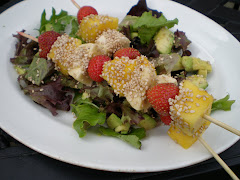
If at the end of your 24-hour fast you then eat in a way that is not healthful (eg you have a standard cooked meal or you binge-eat raw food, chucking all sorts of digestively incompatible things into your body in a mad frenzy - as you might have guessed, I've been there) you run the risk of reversing all the good work accomplished in the previous 24 hours. I suggest breaking your fast with a juice, and/or a salad made from green leaves and fruit (including non-sweet, like cucumber and tomato).


A 24-hour water fast may not be as exciting as a detox in Thailand, or a 90-day Juice Feast, both of which are excellent in so many ways, but need a bit of life re-arrangement and/or £££s/$$$s. But a 24-hour water fast, as a one-off, occasional,or once-weekly event, is relatively easy for everyone to fit into their lives.

I hope you can join me at RawforLife this Saturday 14th June, and, if it's the 'first time' for you and you complete successfully, or indeed if you are reading this article at any point after 14th June, and you complete a first 24-hour water fast, do let me know. And if you're an experienced faster, do please join us.

Sunday, 25 May 2008

The future is...

It's not 'sexy' or exotic, like the durian (OK - opinions will be divided...) or young coconut. It didn't enter the Raw Fooders' International Top Ten Favourite Foods (giveittomeraw.com). I can't claim it's locally-grown (at least not for me in the UK, but I'm very glad other countries share it with me), it's very unassuming, and generally considered quite commonplace, but please give a big fanfare for the SUPER, SUPER food that is...


THE ORANGE!


In my cooked life I'd always considered oranges a bit boring. This would in no small part have been due to the fact that as a child I'd understood oranges as synonymous with that diluted sugary drink called 'squash'. As a young adult, packaged juices came onto the market, but most were made from concentrates, and although in the years to follow, non-concentrate juices were introduced and I drank and enjoyed the juice, I still tended to give the fruit itself the cold shoulder. Why? Because, compared with satsumas and clementines, the fruit seemed a bother. Messy to eat in quarters, and a pain to peel (it would have taken me, um, a whole minute maybe?!)

In the first six months of raw I remained unexcited by the orange. Until, one evening, I felt a little thirsty. I peeled an orange and cut it into thick slices. It was...a revelation. SO much sweeter than I'd remembered, and as I experienced the joy of the taste, the feeling of a glow inside, and gulped down the copious water it gave me, I felt as if I'd discovered a NEW fruit.

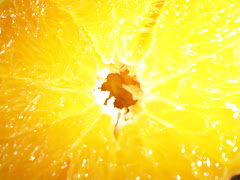
The orange is beautiful, and whether its outer garments are present or not, such a treat for the eye. The photographs for the pictures on this page were all taken in the kitchen, and outside, on a dull day, but when I looked at the pictures...well, you can see that the sun found a way of shining through!

If you're an orange-lover, you'll need no pitch from me - maybe you'll just bask in the pictures then go eat an orange. But, if, like me, you've been relatively unmoved by the orange for the first 'x' years of your life, now you're raw I urge you to rediscover this gorgeous fruit,which wants so much to give us its good things!

Don't juice it, don't put it in a smoothie, dressing or sauce. Although I blend and juice most days, I'm suggesting that you rediscover the orange by sampling it as it is - unfractured, unpulverised...although do peel it. Although I advocate eating the peel of some fruit and veg, I don't feel we should be eating orange peel - the taste and toughness tell us that. But one thing that juicing does take from the orange is the...

PITH

The 'correct' name for pith is 'albedo' (sounds much better than pith, doesn't it? I think I'll call it 'albedo' in future!). My googling reveals that this contains almost as much Vitamin C as the flesh of the fruit and contains pectin, the soluble fibre that helps ease the passage of food through our digestive systems. David Wolfe ('Sunfood Diet Success System') tells us that the pith (albedo) is high in nutrients generally, so...keep that pith! Rather than keeping the peel on, quartering the orange then sucking out the juice, peel it and cut into thick, albedo-ey wedges!

So what nutrients do oranges contain? Well, amongst others, Vitamin C, B vitamins (niacin and thiamine), potassium and...

CALCIUM!

And in fact the calcium issue is what prompted me to write this article. I regularly test my wee with pH strips. For those unfamiliar with the acidity/alkalinity issue (Dr Robert Young, 'The pH Miracle' and others), briefly, the things we do each day create acid in our bodies, our bodies need to keep the blood alkaline, and they will do whatever's necessary to restore balance (bodies that are too acidic are breeding grounds for illness). If lots of acidic foods are eaten (eg cooked food, meat, fish, pasteurised dairy, alcohol etc) the body has a tough job, and calls in mineral reserves (eg calcium) to help. We can help enormously by eating alkaline-rich foods (plant foods).

Now, as a 100% raw vegetarian, and more recently, vegan, raw fooder, I'd been disconcerted to find that, whilst my pH levels during the day were alkaline, my 'first morning wee' was very acidic. Now it's true that the first morning wee reading will always be the least alkaline of the day, but mine was below the 'safe' level, according to all the sources I checked (and believe me I checked a few, just to be sure!). I wasn't sure why this was - perhaps I was having stressy dreams (stress creates acid, and running two businesses has taken a bit of a toll recently) - but, as a woman 'of a certain age', I didn't want my body leeching calcium from the bones...

So, what happened? My fruit-eating is generally biased towards the first half of the day, as fruit is best eaten on an empty stomach. This, for those who are unaware and who regularly suffer from 'football tummy', is because fruit digests quickly, that is, it needs to pass through and out quickly. If it is eaten on top of, or with, slower-to-digest food such as nuts/seeds/grains, its path out will be blocked, and it will ferment, causing gas...

But, anyhow, sometimes I break the rules, and don't always suffer the consequences, and a few days ago I did eat a lovely, lovely orange in the evening.

The next morning my pH level had shot up to the highest I'd ever seen for a first morning wee, and well into the 'safe' zone! Repeated the orange-eating a few evenings more, and every morning good news on the strips! I'm wondering if it's the calcium - cheers to the orange for saving my bones!


And ever since then I have indeed been on 'Planet Orange' and known that the orange had to have an article all to itself.

ALKALINE

And, in case anyone's puzzled, although oranges are termed 'acid fruits', they have an alkalising effect on our bodies.


From Dr Leon A Wilcox's essay 'The Wonderful Orange' in Hilton Hotema's 'Man's Higher Consciousness' (italics are mine):

'For twenty years I have been trying to put over a message about the wonderful orange and the benefits to be obtained from its use...Citrus fruits will always return an alkaline reaction when taken into the stomach by themselves. These fruits (in fact all juicy fruits) should never be eaten at the same meal with cooked or baked foods, nor should they ever be eaten with sugar.' He goes on to say 'cooked foods contain a certain amount of starch. When fruit juices come in contact with starch in the stomach, the reaction is certain to be fermentation. The fermenting process is what generates acid. So you see it is not the fruits that make the acid; it is the food combinations. A common sight in any restaurant in the morning at breakfast is people drinking a glass of orange juice or eating grapefruit, followed by a sweet roll, then washed down with a cup of coffee. This makes a nice acid breakfast and, if continued long enough, will produce an acid stomach, neuritis or some kind of rheumatic condition.'

LIVING ON ORANGES?

The Hilton Hotema book also includes reports of people who achieved radical health transformations by living on oranges/orange juice only for relatively long periods. Two articles ago I looked at historical accounts of people who, it is claimed, subsisted on only two or three types of food. According to Herodotus, the oldest inhabitants of Greece lived on 'dates and oranges'.

Recently, I read raw fooder Victoria Boutenko tell us how her son Sergei used to spend days ski-ing with friends. They'd feel tired regularly and need to re-fuel (so they thought) with large meals. Sergei on the other hand felt continually energised on a diet of just two oranges a day!

MUCUS


One more specific from my own experience: on a raw diet, my sinuses are a lot clearer than they were when cooked. But, all the same, I've noticed on occasions that very shortly after eating oranges there has been a marked effect in that I've felt even clearer and without going into too much detail have felt a little mucus being freed. In Arnold Ehret's book 'Mucusless Diet Healing System' he reprints Ragnar Berg's Table, which organises foods by their acid-binding potential. The higher the food's acid-binding potential the greater its ability to dissolve mucus. Olives and figs come in highest, but the orange is still relatively high and can be described as an excellent mucus-dissolver (and thanks as so often to David Wolfe's 'Sunfood Diet Success System' for this information).

SUPER FOOD

The orange is a SUPER food! Oranges make me GLOW!


Have you heard of the 'Doctrine of Signatures'. That says that the appearance of a plant, of a food, gives us a clue as to how it can benefit us. Think of a walnut, rich in Omega-3s, good for the brain. Now what organ does the walnut resemble? Left and right hemispheres?

Now look at this picture of an orange. What does it resemble?


LET THE ORANGE SHINE INTO YOUR LIFE!

(EDIT - since writing this article I've 'juiced' oranges in a new way (my thanks to Dr Doug Graham) which gets around some of the disadvantages of juicing. Juice several oranges, then stir some of the pith back in. Makes a wonderful slushy drink (though you'll need a spoon!))

Thursday, 15 May 2008

Greek Feast

We've been having a run of good weather lately (well, we had when I started this article!) Everything in the garden seems to have doubled in size in a few days, I've been frantically scrubbing the bird-do's off the garden furniture, and phoning the local herb farm to see if they have any basil seedlings yet for the patio (since I neglected to start any from seed this year...) Isn't it wonderful to eat outside, smell the flowers, the herbs, listen to the birds, breathe some fresh air?

Here's a wonderful raw Greek menu for your next al fresco eating! Although the RawforLife monthly e-zine features recipes that don't require a dehydrator, RawforLife Blog is 'allowed'...but, if you don't have a dehydrator, you could mop up the Greek salad juices with Essene Bread instead (recipe at the RawforLife Blog here).
  • Greek salad (recipe - well, let's say 'instructions' - below)
  • RawforLife Greek Flax Crackers (recipe below)
  • Tzatziki (A 'sour-cream' dip made with cashews, lemon, cucumber and mint - for recipe see RawforLife Blog here)
GREEK SALAD

Put into a large bowl as many thick wedges of large, juicy, tomato that you can eat (and more). Ditto thick wedges of cucumber. To that, add: sliced bell pepper, sliced red onion, raw olives (from therawgreek.com here) and chopped oregano*.

Then drizzle in a little olive oil and lemon juice and give it a good stir. Don't worry too much about quantities - if you have a little too much oil and lemon, it will, mixed with the tomato and red onion, make delicious juices.

*use fresh or dried. In the summer, I usually use fresh as it grows in the garden, but, having been to many Greek islands where the tavernas generally use dried despite oregano growing wild there, dried can actually make your Greek salad taste more 'authentic'!

RAWFORLIFE GREEK FLAX CRACKERS

These are strongly-flavoured tomatoey crackers. Sometimes when I make them they come out crisp and crackly; other times a bit chewy. Either is good! I know lots of you know how to make flax crackers, but I've added a little extra in the instructions for those who have never made them before - RawforLife Greek crackers would be ideal for your first go!

(makes 3-4 trays)

  • 1 cup flax seeds (linseed), whole, soaked in 1 cup of water 2 hours
  • 1 cup flax seeds, ground
  • 1 red bell pepper, roughly chopped
  • 2 cups roughly-chopped tomatoes
  • 1/2 cup chopped cucumber (don't peel)
  • 3 tbsp lemon juice
  • 1 small red onion, chopped
  • 10 raw olives, stoned and chopped
  • Oregano - 2 tbsp fresh, or 1/2 tbsp dried
  • 1 tsp sea salt
1. Place all ingredients in processor and process until quite smooth, but still a little textured and colourful.

2. Divide mixture between 3-4 paraflexx-lined dehydrator trays (3 if you want them a little chewy and 4 if you want them extra thin 'n' crispy).

3. Spread mixture out to four corners of each tray,using the back of a spoon, flat of a knife, or spatula. Keep spreading - don't worry that it's getting too thin... Smooth over large holes, but don't worry about tiny ones. Have faith - the 'gloopiness' of the flax and the dehydrating will ensure that your crackers hold together.

4. Mark out in squares, eg 4 x 4.

5. Dehydrate at 105F for 10 hours. Then flip, removing paraflexx sheets.

6. Dehydrate at 105F for another 8 hours, or longer (until crispy).

Greek salad, crackers and tzatziki could be served with confidence to raw and non-raw people alike and of course would make a colourful and tasty addition to an outdoors buffet, or indoors, as the case may be...(comfort for those in rainy climes - the more rain the cleaner the air).

Thursday, 8 May 2008

How many raw foods do we need for a 'balanced diet'?

The standard cooked diet has all sorts of tentacles with which to draw the newbie raw fooder back in, and I felt concerned a while ago to hear that someone had reverted to a normal' (ie part-cooked) diet because she felt that a 'varied' cooked-food diet was better than her 'limited' raw one.

Was she right to be concerned?

We are told from schooldays onwards to make sure we're getting a 'balanced' diet, that we need to eat a wide variety of foods in order to obtain sufficient vitamin this or that, mineral this or that, protein, calcium, etc. We' re told to eat from various 'food groups', to put meals together on that basis, or at least ensure we're eating from all within a day, within a week...it can not only seem quite complicated, but this advice is still ringing in our ears when we embark on a radical change of diet, to raw.

Of course, 99% of life-forms don't appear to have such problems. Most animals eat just one or two sorts of food (perhaps varying by season) and, somehow... seem to make everything they need for their bodies from these foods. But then of course, they are eating their foods whole, and don't cook them.

Of course, the obvious retort to that is that we're not animals. Is it the case that it's all a lot more complicated for human beings?

Time and time again, in the cooked-food nutrition world, we hear that health and longevity are linked to very simple, rather than very complex, diets - diets consisting of a small number of foods rather than a large variety. We hear of those in other parts of the world managing to be strong and healthy, and relatively free from the diseases that plague people in the UK, without seemingly worrying about whether they're eating a balanced meal or getting enough of certain nutrients. What does appear to be common to all these accounts is that these people are eating a far higher proportion of their food whole and raw (if not all of it) than even the average 'healthy eater' in this country.

But when we damage and destroy our food by cooking it, boy do we make things complicated!

Here are some accounts of human beings, apparently living healthily on very 'limited' diets. To my knowledge, not one of these accounts is backed up with testimony of 100 witnesses, scientific evidence, etc, so I'll leave it to the reader as to whether to attach any credence to them. But, it would be reasonable to guess that, in these cases, the foods spoken of are raw.

The Roman poet, Horace, describes his diet: 'As for me, olives, endives, and smooth mallows provide sustenance.'

(The olive is a fruit containing all sorts of great things for us, including fat - see RawforLife Blog article here. Horace was combining this with green leaves.)

John The Baptist is reputed as living on 'locusts and wild honey'. I researched this some time ago and found evidence to suggest that 'locusts' was, before translation/edits, the 'locust-tree', another name for the carob tree. Many raw fooders will know carob as a highly nutritious pod with a chocolatey flavour.

Arnold Ehret, raw fooder, ate mainly apples, raisins and green leaves. Although, in Ehret's time, raisins had seeds, so he would have been consuming some fat within these.

From Hotema's 'Man's Higher Consciousness'
'Dr Evens said 'Among instances of longevity, we have the ancient Britons who, according to Plutarch, 'only begin to grow old at 210'. Their food consists almost exclusively of acorns, berries and water.'

Herodotus:
'The oldest inhabitants of Greece, the Pelasgians, who came before the Dorian, Ionian and Eolian migrations, inhabited Arcadia and Thessaly, possessing the island of Lesbos and Lokemantos, which were full of orange groves. The people, with their diet of dates and oranges, lived on an average of more than 200 years.'

Should we believe these claims of longevity? We know that the Bible talks of men living 700 years plus in the distant past. Perhaps all these accounts are fictitious, perhaps people in those days measured time in a different way, perhaps they couldn't count... perhaps...

Raw fooder David Wolfe ('Sunfood Diet Success System') describes how he lived on a grapevine for a week once after a horse ate his food. Well, I'm wondering if the grapevine could sustain us for a lot longer than a week...the vine in my greenhouse produces thousands of grapes each September/October, and, of course, vineleaves. The leaves don't taste good this time of year, as the vine is still in the early stages of growth, but in the early autumn I can eat the leaves, the fruit, and because I always eat the pips in grapes (see RawforLife article here ) I get green leaves, fruit and fat from just one plant (note - please campaign to have the seeds put back into our fruit!).

The Essene Gospel of Peace tells us: 'Be content with two or three sorts of food'. (But it also said 'Cook not.')

People on a standard cooked diet will indeed find their bodies prompting them to eat lots and lots of different foods, in a frantic search for all the things that have been cooked out of their foods - our bodies know! But of course they will often eat and eat in vain, and be piling in those toxins that lead to illness.

And, despite sensationalist TV programmes on people purportedly living solely on chips, jam sandwiches, whatever, I haven't seen any credible evidence of people existing healthily in the long-term, on 'limited' diets consisting of a small number of cooked foods, and it concerns me that the grain we send to people who have very little to eat is often then cooked.

But it appears to be the case that the more raw, ie undamaged, foods in our diet, the fewer foods we need to obtain everything necessary for our bodies. My hunch is that if all our food is whole and raw we can actually meet our bodies' needs on perhaps two or three foods only, varying by season.

I'm a long way from that right now, as I am somewhat of a piggie and, although 100% raw, certainly don't discipline myself - my grocery bills are quite high...


But, I'm looking towards a far simpler diet in the future. I have in the garden the vine, which just keeps growing each year, with no upkeep needed save cutting back once in the winter. There's a mature hazel-nut. I've just planted an eating-apple tree and sown mallow. My baby olive tree, against a wall (the garden faces south), has lasted a winter that's included thick snow. A fig hasn't done much to date, but a friend has a mature tree, which is encouraging. And, if it does well, I'll be looking into methods of drying.

I believe we can meet our bodies' needs from a relatively small list of foods, many of which (not all - in UK!) can be obtained from the land around us, as long as they're eaten whole and raw, and suggest that if you eat all your food raw, as long as you're including green leaves, fruit and a little fat in your diet (eg from seeds), you can probably stop worrying about whether you're getting a 'balanced' diet.

And, if anyone's worried about the economy, look in the garden. And if you don't have one, move out of the city.