Showing posts sorted by relevance for query salt part 1. Sort by date Show all posts

Thursday, 17 September 2009

SALT Pt 2 - Salt in the raw food diet (and what are those '84 minerals'?)

In this the second part of the article, we'll be hearing from raw food experts who believe unrefined sea salt is the opposite of healthful, and I'll be looking at what's in the salt, specifically those '84 minerals' we hear so much about. I'll then be looking at the amount of salt in raw food recipes and comparing this with the salt in cooked vegan recipes, and showing how raw fooders may be at risk of developing a salt addiction where there was none before! I'll then give some suggestions for those who would like to reduce (or cut out altogether) their consumption of sodium chloride, however 'unrefined'.


WHAT ARE THE '84 MINERALS' IN UNREFINED SEA SALT?

Many people who buy unrefined sea salt do so because they are convinced that the '84 minerals' in the salt are good for them. I will be showing you what these minerals are, to help you decide how 'essential' they are, and will also suggest that those minerals that are essential can all be found easily in raw foods.

Table salt is 99% sodium chloride, as other minerals present in the natural salt are removed through processing.

Unrefined sea salt is 84% sodium chloride, and at least 95% sodium chloride by dry weight (see Pt 1), but, yes, those additional minerals are still there. Therefore it's fair to say, as some do, that the sodium chloride is (a little) less concentrated. It's also fair for sellers to say that unrefined sea salt is 'not just sodium chloride'. But it's still mostly sodium chloride.

Many people buy unrefined sea salt for these additional minerals, as, it's kind of comforting to know there are 84 minerals present in our salt, and, for some, helps justify the high price. So, after two years of using the salt, I thought it was about time I found out what these 84 minerals were.

The 84 minerals are those present in sea water. They include:


Sodium

This, as discussed in Pt 1, can easily be obtained from plant foods.


Chloride

The body uses chloride to make hydrochloric acid (HCl), which is the stomach acid used to break up fats and proteins. This is why you will hear people say (often salt sellers) that 'salt is essential for digestion'. Well, yes that's true, insofar as chloride, like sodium, is a salt, and, yes, chloride is essential for digestion. But the compound 'sodium chloride', as in unrefined sea salt, is not essential for digestion. Before human beings started collecting for or mining for the residue from evaporated sea water and adding it to their food, their digestions worked fine. Chloride is naturally present in many foods, particularly tomatoes, lettuce, kale, celery, beets, olives and sea vegetables.

Some people are indeed 'low' on HCl. However, in cooked-food eaters, this can be due to the stresses of a standard cooked diet (eg meat digestion puts great demands on HCl). And, if they are low on HCl and do not change their diets, there will of course be digestion problems. In the raw vegan however, 'low' HCl is likely due to the fact that the more easy-to-digest plant foods we eat, the less HCl the body makes, as a healthy body on a healthy diet will (Dr Doug Graham, '80/10/10 Diet') 'make just the amount of HCl we actually need'.

Chloride deficiency is rare, including amongst those who add little or no salt to their food. Nutritionist Adam Greer: 'Chloride requirements are in direct proportion to sodium intake. So, if you're consuming low sodium, then you're pretty certain to require lower chloride. If you're eating enough calories, you are likely to be consuming enough chloride.'


The only other minerals that unrefined sea salt contains in any significant amount are magnesium and potassium. Let's look at these:


Magnesium

One serving (0.9g) of unprocessed sea salt contains 3 mg of magnesium. However, a cup of spinach contains 24 mg, and a banana 32 mg.


Potassium

One serving of salt contains 1 mg of potassium. But a tomato contains 292 mg and a banana 422 mg.


So what are the other 80 minerals? Here they are:

hydrogen, oxygen, sulphur, calcium, bromine, helium, lithium, beryllium, boron, carbon, nitrogen, fluorine, neon, aluminium, silicon, phosphorus, argon, scandium, titanium, vanadium, molybdenum, ruthenium, rhodium, palladium, argentum (silver), cadmium, indium, stannum, antimony, tellurium, iodine, xenon, cesium, barium, anthanum, cerium, praseodymium, neodymium, samarium, europium, gadolinium, terbium, dyprosium, holmium, chromium, manganese, ferrum, cobalt, nickel, copper, zinc, gallium, germanium, arsenic, selenium, krypton, rubidium, strontium, yttrium, zirconium, niobium, erbium, thulium, ytterbium, lutetium, hafnium, tantalum, tungsten, rhenium, osmium, iridium, platinum, aurum (gold), mercury, thallium, lead, bismuth, thorium, uranium, plutonium.

Have a look through. The list includes some that we might not normally associate with health.

Although, the manufacturer of one brand of unrefined sea salt tells us that 'Everyone is exposed to low levels of these and other elements every day, far more than is present in sea salt.' I understand that in sea salt some of these elements are at such low levels that some chemists' equipment can't detect them, or that they are within 'safe limits'. As set by Codex Alimentarius. So that's OK then.

Interestingly, some people working in the field of health (and particularly those selling unrefined sea salt) claim that all of the 80 named above are (according to one salt seller) 'essential for health'. A perusal of health sites tells me that unrefined sea salt contains '84 known human cell-replenishing minerals', that the 84 are 'all essential for your health and well-being' and that all 84 are 'nutritional elements'.

As I had not been aware that minerals such as arsenic, lead and mercury were 'cell-replenishing' or 'essential for health and well-being' I checked several sources for corroboration, from nutrition sites to biochemistry textbooks, and found that scientists are pretty united in saying that around 20 of the 84 only are 'essential' for health. Isn't it funny how people can disagree? And that list of 20 includes, for example, zinc, copper, selenium...names we're familiar with - and all 20 can be found in plant foods - I checked that as well.

But...sure, scientists don't know all there is to know, and some in the health world obviously believe there are certain minerals outside the 20 that can benefit us. However, if many of the 84 elements in salt, although known to be 'present', are there in such minute quantities (parts per million) that some chemists' equipment can't even detect them, then surely there's a likelihood they've made their way, in these low concentrations, into our food anyway.

In short, my delving has uncovered no mineral present in unrefined sea salt that a) is essential and b) cannot be found just as easily, if not more easily in our food.


IS UNREFINED SEA SALT HEALTHFUL?

Here are two of the world's leading experts on raw food nutrition, who are in complete agreement. On this issue.

Brian Clements (Hippocrates Health Institute) says that salt (as in unrefined sea salt) should not be part of the raw food diet. 'Organic sodium is essential to the body's lymphatic fluids to be effective in cleaning the overall system. This sodium can be easily found in foods such as celery, celeriac, sea vegetables that have the sodium chloride washed off the surface, etc. Table salt, sea salt, crystal salt, celtic salt etc are all the same sodium chloride with the variation of other elements attached to it. Sodium chloride dehydrates the body and precipitates high blood pressure due to the arterial and organ contraction that occurs after consumption internally.' (Note I commented on the definition of 'organic' as used in this context in Pt 1.)

Dr Doug Graham says that sodium chloride is: 'an irritant and toxic to the body'.


And...you've heard them all before, but here they come - the dangers of salt (from around a million sources):

High blood pressure - Excess sodium means the body retains fluid, which increases the amount of fluid pumped by the heart and circulating in the bloodstream. The heart has to work harder, which puts the muscles under strain. Sodium chloride dehydrates, shrinking the arteries. Result - high blood pressure and, again, a heart under strain.

Stomach cancer - The National Cancer Research Institute at Kashiwa confirmed in 2004 that salt elevates - even doubles - the incidence of stomach cancer. (Japan has a relatively high rate of stomach cancer and it is suggested this is due to the large amounts of salted foods consumed there.)

Calcium-related problems, eg osteoporosis - The World Health Organisation in 'Vitamin and Mineral Requirements in Human Nutrition' tells us that the more sodium, the less calcium is absorbed. Also, salt has an acidic effect. The body, in order to maintain an optimal acid-alkaline balance, will counter acidity by leaching calcium (alkaline) from the bones.

Weight gain - Fluid retention from excess sodium is due to dehydration from the sodium pulling water out of the cells, and also because water is retained to neutralise salt's causticity. Fluid retention looks like a layer of fat, increases weight and makes us feel 'heavy'.

Yum yum. Pass the salt. Or rather...I'll 'pass' on the salt.


Isn't it crazy that we know that if we drink salt water instead of fresh, the consequences will be dire, and we know how to 'treat' salt water to remove the salt, that, at the same time, some craziness has resulted in our removing the salt from the water then ingesting it? So we're still ingesting a poison, albeit a slower-acting one!

So why, knowing all this, do many raw fooders add salt to their meals? Could be those '84 minerals' (discussed). Could be simply because they prefer the taste of food salted than unsalted.


WHY MIGHT FOOD TASTE 'BLAND' WITHOUT SALT?

Because, through a lifetime of unnatural living, we've developed a taste for salt.

Babies don't naturally desire salty foods (they go for sweet). A taste for salt is something we acquire through the practice of continually consuming salted food. This perverts our tastebuds until, sadly, we cannot appreciate the flavour of pure, natural food.

We've been told that salt 'brings out the flavour of the food.' In fact, it does the opposite. It masks the real flavour - the only flavour that is 'brought out' is that of salt. Those on high-raw diets who habitually add salt to their raw food will find it harder to resist the lure of highly-seasoned and/or spiced cooked food, as raw food without salt will seem lacking in flavour in comparison.

And salt is addictive. Raw nutrition expert Prof Rozi Graham explains: 'When salt is consumed, it hits the tastebuds with a tremendous sensory impact resulting in disturbance to the nervous system. This leads to a craving for repeated jolts of intense sensory satisfaction...condiments excite the tastebuds and trigger false appetite, leading to overeating beyond the body's physical needs.'


SALT IN RAW FOOD RECIPES

To those of you who enjoy making 'rawgourmet' food (as I do sometimes), have a look at some of the recipes in your favourite raw food recipe book. In particular, look at the recipes where there are various components to each dish (eg pizzas, lasagnes). You'll likely find in the ingredients lists half a teaspoon of salt here, half a teaspoon of salt there, plus perhaps some 'nama shoyu', or 'miso' for good measure. Then open one of your old cooked vegan (or even non-vegan) recipe books. You'll likely see, for an entire dish, a pinch of salt.

If you'd like to tot up the total sodium in your favourite raw food recipe, here are some figures:

(Sodium, mg)
Unrefined sea salt, 1/2 tsp, 660
Nama shoyu, 1 tbsp, 720
Miso, 1 tbsp, 680

Then compare it with the sodium intake figures in Part 1 of this article. Then do similar with a cooked recipe.

I compared one serving of a raw-vegan two-course meal of leaf wraps with dipping sauce, followed by lasagne, with as close as I could find for a cooked vegan equivalent - leaf wraps with non-dairy yoghurt, followed by a Mediterranean pie.

Cooked vegan meal: 178 mg sodium.
Raw vegan meal: 1265 mg sodium.


As you can see, the raw vegan meal contained over seven times the amount of sodium than the cooked vegan meal.

In the US, FDA food labelling regulations require a disclosure statement if food exceeds 480 mg of sodium per serving...

(Note - having said that not all the sodium in sodium chloride is assimilated, sodium intake via sodium chloride will be an over-estimate in both cases. However, I've compensated for that by measuring sodium for the salt and shoyu elements only, ie not including the sodium in the plant food ingredients. I also assumed only half the dipping sauce was consumed. So I feel the sodium figures are fair estimates.)

Sure, a complex two-course meal isn't daily fare for the average raw fooder, but if we do eat this sort of meal in the evening, perhaps at a raw food restaurant, we will find ourselves not only over the 'ideal' maximum (1200 mg) on that meal alone, but, if we've had additional sodium chloride earlier in the day, perhaps in the form of flax crackers, nut pate, etc, we will be over the 'acceptable' maximum. Too much of this type of 'raw food lifestyle' and a salt addiction could be created where there had been none before, and we could be on a diet that is, overall, less healthful than our former!


FOR THOSE WHO WOULD LIKE TO REDUCE THEIR SODIUM CHLORIDE INTAKE

A good first step for anyone who likes making raw food dishes, but finds the thought of cutting out all salt too much, is to at least halve the amount of salt in the recipe. And, if you are using nama shoyu or miso (neither are raw anyway), now could be a good time to stop. Doing those two things alone will make a big difference to your sodium chloride intake.

If you are missing the salty taste, refer to the high-sodium plant foods list. Include at least some of these foods in your raw food diet on a regular basis.

Sodium/potassium issues

If you do significantly reduce your salt intake (whether that's to 'a little' or 'nil') you will likely be amongst the majority of raw fooders who experience no problems at all. However, some do experience a strong craving for salt and/or physical symptoms.

I did. When last year I moved from what I now realise was a high-salt raw food diet to no salt at all 'overnight', I experienced occasional muscle cramps and saliva reduction. This didn't happen straight away, but after a couple of weeks or so. The saliva reduction was quite a problem, as it resulted in a very dry mouth, in spite of my being adequately hydrated, and it was disturbing my sleep. I've since learned that this was most likely due to my body's potassium/sodium electrolyte balance being temporarily thrown askew by the sudden, dramatic decrease in sodium (together with large quantities of potassium via fruit, eg bananas) before my body had made adjustments to the healthier intake. (This imbalance has been known to happen on long-term water fasts which is why any fasting practitioner worth his salt (ouch) will monitor fasters' blood pressure.)

What I did was reintroduce just a little salt into my diet (but nowhere near as much as before) and increase my consumption of sodium-rich plant foods. Interestingly, sea vegetables tasted wonderful to me - at that time. After a week or two, the dry mouth went, and sea vegetables tasted...so-so. My body had obviously made the adjustment to lower salt intake successfully, following a little 'softening' of the regime. Please don't misunderstand me - the re-introduction of a little salt was simply because 'cold turkey' had proved to be a bit more than I could take - the bottom line is that I am convinced that any salt is still too much. But, for me, and others I've spoken to, gradual weaning off rather than an abrupt stop seems to be the safest option. (Alternatively, or additionally, seek out plant foods high in sodium, as listed in Part 1 - cantaloupe melon, grated sweet potato...these sorts of foods should taste particularly good during weaning!)

Since I started working on this article, I've reduced my intake still further, and my target is to reduce it to nil eventually (or perhaps almost nil, as I do like to visit raw food restaurants occasionally!). I've reduced it in the 'transition food' recipes on http://www.rawforlife.co.uk/, and it's absent in others.

Hopefully I've provided useful information, or at least review, for all readers (except of course for those who know the names of the '84 minerals' by heart) and assisted those who are currently adding salt to their raw food dishes in deciding whether to cut it out completely, reduce it, or make no changes in level of salt consumption.

And I do hope that it will encourage those who make, or invent those delicious rawgourmet meals (tell them - send them this article) to at least reduce the amount of sodium chloride in their recipes. Even more.)


Salt with your sodium? As with everything, we are given a choice.


(with thanks to David Zane Mason for pic)

Thursday, 10 September 2009

SALT Pt 1 - Sodium - a pinch (or ten) of salt with that?

A Raw Food UK Forum survey reported that 60% of raw fooders add salt to their food, with 40% choosing not to. Should we ingest our sodium from plant foods alone, or add sodium chloride (however Celtic, Himalayan etc...) to our raw food? What are the 84 elements in unrefined sea salt? How healthy is your raw food diet?

When I went raw, I soon found that the sea salt I'd been buying from the supermarket was just not the ticket. 'De rigeur' at raw food workshops was unrefined sea salt - first grey, then fashionable pink, then back to grey. I was told it had health benefits - 'all those trace minerals'!

Then I began to notice that some people didn't add any salt to their raw food, and, confused by the claims made for the various (expensive) brands, decided to research salt, the results of which I now share with you.

In this two-part article, I'll be discussing whether sodium in plant foods is sufficient to meet our bodies' needs, whether it is healthful to supplement this with sodium from sodium chloride via unrefined sea salt, and, in Part 2, whether raw fooders are in danger of ingesting too much sodium chloride, however 'unrefined' or 'raw' it is. And, for those who would like to reduce their intake of sodium chloride, some suggestions as to how to do so.


You'll hear it said that 'salt is essential for health'. Those trying to sell sea salt to us will often say this. Well, yes it is, but only in the sense that 'mineral salts' (of various kinds) are essential for health. Sodium is just one of these salts. Sodium is essential for health. But sodium chloride isn't essential for health (more later).

In a physiological context, sodium is an electrolyte, along with potassium and other minerals. Electrolytes become ions in solution and acquire the capacity to conduct electricity. Sodium, working with potassium, maintains fluid balance in our bodies and is involved in nervous system function.

Sodium is contained in all plant foods to some degree. It is also 40% of the mineral compound sodium chloride (NaCl), which is salt from sea or lakes. Even 'rock salt' is still sea salt - from seas millions of years ago.

If raw fooders can obtain sodium from plant foods, why do some then add sodium chloride to their food? Generally, for one or all of the following reasons:

They doubt their sodium needs can be met by plant foods alone.
They believe unrefined sea salt to be healthful.
They like the taste and feel food can taste bland without it.

I'll be examining each of the above in the two parts of this article, but first let's discuss to what extent it's 'natural' to ingest sodium chloride.

Salt has indeed been added to food for thousands of years. But of course we've been killing each other, eating meat and...cooking our food for thousands of years. As raw fooders we should know the 'thousands of years' argument doesn't wash as a good reason for doing anything. And it looks as if we might have managed fine without sodium chloride before then, or at least ingested very little. As naturopathic doctor Tim Trader says: 'Anthropology has found no sodium-chloride deposits in early bones of human remains, though you can find it in most anyone of western civilization today.'

Is the adding of salt universal? There are many 'undeveloped' cultures who add either no, or virtually no, sodium chloride to their food, such as the Yanomamo Indians of South America. Not to mention thousands, if not hundreds of thousands, in the (mainly) Western 'raw food' culture.

Do animals add salt to their food? Some animals (mainly herbivores, it is claimed) have been observed going out of their way to lick salty mineral deposits exposed by harsh weather. As we know salt on roads melts ice, some could in fact be going for the water rather than the salt, due to their usual sources being frozen over, but it seems that this is not the case in all occurrences of this behaviour. But I've found no evidence to suggest 'salt-licking' is universal, even amongst herbivores. Also, we don't know whether they're going for sodium chloride rather than any other mineral salts in the deposit, and animals that do do this certainly don't do it every day.


Can our sodium needs be met by plant foods alone?

(Sources (official and unofficial) vary by country, so I've averaged out.)

'Acceptable maximum': 1600 mg (UK/US average consumption 4000 mg+ daily!)
'Ideal maximum': 1200 mg or less

As to what is a safe minimum, sources again vary. Several say 500 mg, some say lower. Raw food nutritionist Adam Greer recommends 350 mg as a safe minimum. DHSS 'Dietary Reference Values' (1991) reports some adults healthy on intakes as low as 69 mg, and when I asked on raw food forums for average daily sodium intakes, figures came in as low as 30 mg - and some of those individuals had high levels of physical activity. It appears many can be apparently healthy at relatively low levels of sodium, that is, without exhibiting signs of sodium deficiency. (Deficiency symptoms would include confusion, tiredness, nausea, muscle cramps, and a drop in blood pressure. However, note 'low' blood pressure is generally considered healthy - it's just a sudden drop that might cause concern.)

I do occasionally have sodium chloride (although I've cut down my consumption drastically since researching for this article). I totted up my own intake of sodium on a no-sodium-chloride day; my diet consisted of spinach/celery/apple juice, cantaloupe melon, papayas, pumpkin seeds, banana-date smoothie and lettuce/tomato/avocado wraps. Calories totalled 2100. At 360 mg of sodium I'd only just scraped past Adam's figure, although way higher than the intake of other healthy raw fooders I know. And at just 105 lbs, and feeling healthy, I'm happy with that intake. Heavier people eating eg 3000-calories' worth of food similar to mine would find themselves just above the more official 'safe minimum'. My hunch is that those 'safe minimum' figures are overestimates of what we actually need; it could be that even the minimums are influenced by the fact that so many people (including the scientists who set the figures) think it's fine (and even healthy) to ingest a little sodium chloride and that there are so few individuals for them to study who do not.

The fact that the many raw fooders who add no sodium chloride at all to their food are healthy, and exhibiting no signs of sodium deficiency suggests that there is no problem obtaining sufficient sodium from plant foods alone.

Some raw fooders, especially those on high-fruit diets, have wondered if on a relatively low sodium diet they can have 'too much potassium' (as potassium and sodium work together in the body and need to be present in certain proportions). Dr Doug Graham ('80/10/10 Diet') tells us that, although potassium excess is 'not impossible', cases of potassium overload amongst healthy raw fooders are unknown. The only group that does need to be careful is those who have kidney malfunction.

'Instinctive eating' theory (Schaeffer) suggests that we should be fine as long as we don't eat more of high-potassium foods than our bodies genuinely desire. IE theory says that if we are a little low on any nutrient our bodies will set up a search for foods rich in that nutrient, and those foods will consequently taste particularly good to us at those times. For example, I find spinach (a relatively high-sodium vegetable) tastes delicious some days, and ordinary on others. It could just be that some days my sodium needs a little topping up but other days my body has no need for it.

What if we really feel we need more sodium?

These plant foods are particularly good sources:

Sea vegetables (generally), 40g dry, 450 mg sodium
Coconut water, 1 cup, 252 mg
Honeydew melon, 1 medium, 205 mg
Celeriac, 1 cup, 156 mg
Swiss chard, 2 cups, 154 mg
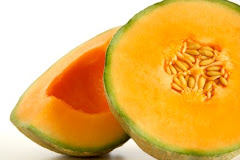
Cantaloupe melon, 1 medium, 88 mg
Carrots, 2 medium, 84 mg
Sweet potato, 1 medium, 72 mg
Beet, 1 medium (2 in), 64 mg
Celery, 2 stalks, 64 mg
Beets, 1 medium, 64 mg
Kale, 2 cups, 58 mg
Spinach, 2 cups, 48 mg
(Source: USDA Nutrient Database)

(note that although tomatoes can taste 'salty', they are relatively low in sodium. The salty taste is likely to be due to high levels of glutamate and/or chloride.)


Is unrefined sea salt healthful?

Some Natural Hygienists writing in the 80s and earlier maintained that our bodies cannot utilise the sodium from sodium chloride. Well, researching this, it would seem that this is probably not the case; we can obtain sodium from sodium chloride. However, virtually all health experts agree that our bodies assimilate sodium much more easily from plant food than via sodium chloride, and I'll explain why they say that.

First let's be clear what 'unrefined' sea salt is. It's been drummed into the heads of many health seekers that table salt is the devil, but unrefined sea salt is OK and even good, and some of us (eg me in the past) have understood that that's because table salt is sodium chloride, as if unrefined sea salt isn't! My son educated me: 'Mum, it's still sodium chloride. It may be 'natural', but even if it's collected in little organic baskets by little organic people, it's still sodium chloride.'

Table salt is 99% sodium chloride, unprocessed sea salt is 84% sodium chloride - so, still mostly sodium chloride. And in fact, by dry weight, unprocessed sea salt is actually 95-99% sodium chloride; 'the only reason 'unprocessed' sea salts have a lower sodium content is because they still contain a lot of moisture.' (Frederic Patenaude)
Table salt is kiln-dried, whereas unrefined sea salt is sun and wind-dried.
Table salt is treated with chemicals such as bleach and anti-caking agents, and, sure, unrefined sea salt isn't - it's pretty much as it comes out of the sea.
Table salt has been stripped of virtually all the minerals additional to sodium and chloride. Sea salt still contains them. I'll tell you what they are in Part 2.

If you add a little salt (table or unrefined sea salt) to a glass of body-heat water you will find most of it dissolves. It's separating into sodium ions and chloride ions. But a little remains undissolved.

I've been discussing with people knowledgeable in chemistry what happens when sodium chloride enters our bodies. And, guess what - they don't all agree, and...they don't know for sure. One suggested that as our body fluids aren't pure water, it's possible that more of the sodium chloride could stay undissolved than when mixed with water. On the other hand, another suggested that, as electrolysis separates ions, electrical forces in our body might allow them to break down the sodium chloride more easily than when simply mixed with water. Consensus was that at least some of the sodium chloride will remain in the body as sodium chloride and we do know that bodies fail to break down at least some sodium chloride because it's found in bodily excretions. And bones. Our bodies can't do anything useful with sodium chloride that remains as sodium chloride - on the contrary, it gives them a problem.

Do our bodies find it easier to get sodium from unrefined sea salt than table salt? Yes. That's because table salt (and other processed sea salts sold simply as 'sea salt') has been heated to such a high temperature, with various chemicals added, that the resulting substance is unnatural, and therefore difficult for our bodies to cope with. Nutritionist Dr Ann Gittleman: 'refined salt is...treated with anti-caking agents which prevent salt absorbing water in salt cellars. Unfortunately, anti-caking agents perform the same process in the body, stopping the salt dissolving and combining with fluids in stomach and digestive system.'

But do our bodies find it easier to get sodium from unrefined sea salt than plant foods? Unequivocally no. Sodium from plant foods wins. It's more bioavailable, due to chelation (binding) to organic molecules. (Note that some raw fooders describe sodium from plant food as 'organic' sodium, as it is found within living plants. But, in chemical terms, sodium is inorganic, regardless of where it's found.)

If we obtain our sodium from plant food only, there is no risk of sodium chloride depositing in our bodies. Build-up of sodium chloride can lead to all sorts of problems. For example, those creaky joints that people put down to 'age'. Sodium chloride deposits will accumulate as we get older. Also, when salt can't be excreted, the deposits in the body cause the cells to contract and discharge fluid, resulting in dehydration and contraction of the arteries, causing high blood pressure.

So, taking these things into account, can unrefined sea salt be described as healthful? I can't see how. Although it's a source of sodium, the body finds it so much easier to get sodium from plant food. And, although the risk of build-up in the body of sodium chloride deposits from unrefined sea salt may be less than with table salt, there's still a risk.


PLEASE NOW TURN TO PART 2 of the article, in which we'll hear from raw food experts who believe unrefined sea salt is the opposite of healthful. I'll also be looking at what's in the salt, specifically those '84 minerals' we hear so much about. I'll then be looking at the amount of salt in raw food recipes and comparing this with cooked vegan recipes, and showing how raw fooders may be at risk of developing a salt addiction where there was none before! I'll then give some suggestions for those who would like to reduce (or cut out altogether) their consumption of salt, however 'unrefined'.

Monday, 6 July 2009

Herbs - Yea or Nay? Pt 2 - Flavourings, fragrance

HERBS FOR FLAVOURINGS

In Pt 1 I explained the Natural Hygiene view of herbal medicine and why I wouldn't use herbal medicine now, any more than I'd use conventional medicine.

However, NH doesn't just see herbal medicine as toxic. It sees herbs as toxic per se.

NH says herbs shouldn't be ingested at all. Not for healing. Not for teas. And...not in any other way either.

But, we find, amongst those who are known to be Natural Hygiene in philosophy, differing opinions on the use of herbs as flavourings. It appears that although the majority of classic Natural Hygiene writings veto herbs across the board, some who we might describe as Natural Hygiene-orientated, such as Dr Doug Graham ('80/10/10 Diet') and (the less famous) Debbie Took, do mix herbs with their food.


The 'could we make a meal out of it?' argument

Some NH'ists say that the test of whether something is a suitable food for human beings is whether we'd enjoy it in large quanties.

It's fair to say that I wouldn't enjoy eating a bowl of parsley, or basil, on its own. But then I wouldn't 'make a meal out of' celery either, which NH does say is a suitable food for us. I quite like the taste of celery in small quantities, but wouldn't relish more than a stick, or possibly, two. In fact, I find the taste changes from pleasant to unpleasant soon after that. I greatly enjoy a little chopped celery added to meals, as a flavouring, and in that respect I can find little difference between adding celery to meals and adding parsley.

And, much as I enjoy bell peppers, chopped and added to salads, I don't find the thought of a bowl of them attractive. I also use lemon and lime juice for flavouring, in small amounts, both of which are recommended as flavourings in Natural Hygiene texts.

So, it doesn't seem logical to me to say that herbs shouldn't be ingested because we 'can't make a meal out of them', as NH'ists are fine on using other substances that they would almost certainly not enjoy eating in large quantities.


What do animals do?

Sometimes nature can provide clues as to how to eat optimally, eg animals don't damage their food by cooking it, they eat simply, they don't blend 'abombo-combos', and they eat foods singly rather than mixed. And not only do they not mix their foods, they don't add 'flavourings' either. But then, there are many differences between humans and 'all other animals', and they're not all bad...those relevant to this discussion could include: we decorate, we combine, we create...

Also, animals do sometimes seek out certain plants to ingest in small amounts only. There are various theories as to why they do this, and I won't go into those here, as they're theories only, suffice to say simply that animals do occasionally ingest things that they don't eat in large quantities.


'If it tastes nasty that's nature's way of telling us we shouldn't eat it.'

Agree. However, the taste thing can be a bit subjective. Renowned Natural Hygienist Herbert Shelton said: 'almost without exception, herbs are bitter, strong and foul tasting.' I can't agree with that. I've just run outside and torn off a basil leaf. Being as fair as I can be, I wouldn't say it tastes good. But wouldn't say it tastes bad either. I'd say it tastes 'interesting but I wouldn't like a lot of it.' A little mixed in with a salad? Definitely. I'd say similar for dill - which imparted a delicious flavour to a melon-cucumber soup made recently.

I've just tried a sage leaf. Looks beautiful, smells good. Tastes...not good. So, I'm thinking that perhaps sage shouldn't be eaten, or at least my body says no. If we've been raw for a while, I think we can trust our bodies to tell us as to whether something is 'so good, eat tons!', 'OK - maybe eat a little', or 'no way!'.
Cilantro (coriander leaves) is an interesting one. I detest cilantro and will only tolerate it if it well-disguised in a mixture. Natural Hygiene tells me that that means cilantro is not fit for human consumption. However, other raw people I know love it, and will eat it in quantity. So, I feel the taste test can work well for individuals, that is, cilantro is not for my body, but may be fine and even good for other bodies! So I'm not sure that it makes sense for one raw fooder to make a judgement on what food is or isn't optimal for all raw fooders based solely on what their own taste buds tell them.

'Condiments pervert the tastebuds.'

Many Natural Hygienists see herbs as flavourings just the way they see 'condiments' in general, such as salt or chili - the arguments against using them being that if we add such strong flavourings to food the tastebuds will become so accustomed to their use that, sadly, our food will seem 'bland' and unattractive without them.

However, although I've certainly had to work hard to wean myself off salt (and not quite there yet!), and it's certainly the case that use of salt can make foods seem flavourless without it (when of course the 'flavour' is that of the salt itself, masking the true flavour), this isn't the case with herbs. I can enjoy a dish with herbs, and without. I don't recall anyone saying that they can only enjoy such-and-such dish with herbs, but have heard many say similar about salt (and chili).


Are herbs toxic?

I've discussed the toxicity of herbs when made into medicines, and, even in natural, 'undecocted' states, herbs will contain toxins to some degree. As to whether the level is going to give our bodies any problems is debatable. Certainly they will in some herbs. For example, pennyroyal, a mint I used to have in the garden has been used in the past as an abortifacent. And there are herbs that will play havoc with our own hormones.

NH says that because there are volatile oils and alkaloids in (all) herbs that can result in severe illness or even death in some cases if large amounts are consumed, they shouldn't be ingested at all (although note alkaloids are contained in many plant foods, such as tomatoes and bell peppers).

This discussion links to some extent with the 'could we make a meal out of it?' argument. I'm thinking my tastebuds would soon find the taste of anything more than a tiny amount of a herb sufficiently repellent to ensure that my body did not receive a dose likely to cause problems. Again, the 'aliesthenic taste change' mechanism can come to our rescue here. When we eat raw, (note - doesn't work for cooked food, doesn't work for cooked herbs (medicines!) we can rely on our bodies to tell us, by eliciting revulsion, when we've had enough for our bodies' requirements.

At this point, I'm guessing that some readers will be sighing with relief along the lines of 'yes, exactly! That's what I feel!'. Others will be rolling their eyes, smiling at the efforts of this fledgling NH'ist to construct seemingly-plausible arguments to persuade herself that it's fine to carry on eating things she just doesn't want to give up.

And they may be right. But, at present, I'm not convinced that they should be 'non grata' in my kitchen, and a few strips of basil on hunks of sliced tomato evokes such sweet memories for me that, for now, I'm using some herbs in small amounts for flavourings. What's for certain though is that, while I am using them, I'll thoroughly enjoy the flavours, and will not be beset by anxieties as to whether I should be using them or not, as it's certainly not going to help my body cope with any toxins in them by enervating myself getting all stressed when I eat them!

Dr Doug Graham, who certainly takes a Natural Hygiene stance in most things, makes an exception for herbs. At a recent workshop, he had us listing all the herbs we could possibly think of, as possibilities for flavourings for dressings, soups...amongst herbs he used himself were cilantro, mint and rosemary, recommending rosemary with cauliflower (tried this - not to my taste!), and mango with 'chocolate mint' (now that was good, although I'd needed to make a visit to the Herb Farm to buy that particular variety of mint - it 'sort of' tastes like chocolate - 'After Eights' perhaps (from a previous life!)).

HERBS FOR FRAGRANCE

Now, most importantly...herbs, or at least most herbs, smell wonderful! Now, isn't that the main thing that differentiates herbs (or what we in present day call herbs) from all other plants? Fragrance! So, as they're special for that, might that not be a clue as to how human beings are to benefit most from them?

The aromas of herbs can lift our spirits. Lavender is said to be calming. The smell of thyme and curry plant on a hot day gives me a feeling of well-being, perhaps because the smells evoke memories of happy days in Greece. I might have a bath with a little lavender or rosemary sprinkled in. And if anyone who knows me is reading this, please could I have a massage with aromatherapy for next birthday?

I'm sure that herbs can help our bodies heal themselves, in that pleasant fragrances can make us feel good, happy, relaxed, and thus free energy for our bodies to be able to carry out vital work. That's got to be good!

*****


So - I won't be making medicines out of nature's fragrant little gifts to us, as explained in Part 1. But I will be mixing in little bits of the unadulterated plants with my foods, for now..., revel in the beautiful fragrances, and appreciate their beauty (and hardiness - in most cases) in my garden.

(PS Do recommend a soup of blended (very) ripe mango with a few fennel fronds - courtesy of Dr Doug!)

Saturday, 5 July 2008

'Where do you get your...calcium?'


'Where do you get your calcium?' Probably the second most commonly-asked question of the raw vegan (after 'Where do you get your protein?') and sometimes followed (especially if one is a woman of a certain age) with 'Aren't you worried about osteoporosis?' And those who ask are concerned because they've understood all their lives that we 'need' dairy for calcium.

Now please remember I'm neither doctor nor dietician etc etc, so please take everything I say with a pinch of salt. (On the other hand...don't do that.) I've drawn my conclusions simply from information gleaned from trawling the internet over the past year. But, this does suggest that raw vegans need not worry about calcium intake, or indeed osteoporosis (brittle bones). And, if you're a man, please do keep reading, as osteoporosis isn't confined to women, and...you do have teeth (I hope).

Why do we need calcium?

Altogether now... 'for healthy bones and teeth'! (and we need it for quite a few other things as well, eg proper blood clotting, muscle functioning, hormone activation, etc, and it's essential in the maintenance of the acid-alkaline balance.).

How much do we need each day?

UK Dept of Health recommends 700 mg (more when pregnant and breast-feeding)

Where can we obtain calcium on a raw vegan diet?

Two of the best, and widely-available, sources:

Dark green leaves (eg spinach/kale) (2 cups) 200 mg
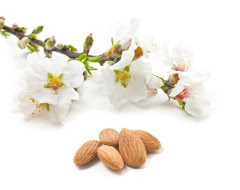
Nuts (eg almonds, hazelnuts)(100g) 200 mg

Also good:

  • Sea vegetables (100g) 200 mg
  • Watercress (100g) 150 mg
  • Lettuce (2 cups) 80 mg
  • Parsley (1 cup) 80 mg
  • Broccoli (1 cup) 80 mg
  • Figs (4 medium) 72 mg
  • Sesame seeds (50g) 70 mg (buy whole-calcium reduced by 90% when de-hulled.)
  • Olives (100g) 60 mg
  • Oranges (1) 50 mg (note the calcium is in the pulp and pith)

And calcium is also found in many other plant foods.

Note that natural sunlight is vital to calcium absorption. So, if the sun's shining outside right now, you know what to do when you've read this article! We can store Vitamin D for months. Were there any days in the summer where the sun was shining outside and you were spending (unnecessary) time on the computer? As well as Vitamin D, our bodies need Vitamins A, C, magnesium, phosphorus and various amino-acids to absorb calcium, so the healthier the diet overall, the more calcium will be absorbed.

(You may have heard that foods high in oxalic acid can inhibit calcium absorption, and that spinach is one of these. However, my research indicates that this would only be a problem if we have vast quantities of the tougher, mature leaves rather than the young leaves most of us eat. Chard and beet greens are also high in oxalic acid. I find Swiss Chard burns my throat and guess this is the acid, so avoid it for that reason. Beetroot itself gives me this sensation occasionally. The young spinach leaves I buy (and grow) don't when I eat them in leaf form, but occasionally do in smoothies. Basically, let your taste buds guide you.

Unnaturally large amounts of fibre can impair the body's ability to absorb calcium, but the key word here is 'unnaturally'. Bran, for example, is a fractured food - the fibre having been removed from the whole food, and bran can inhibit the absorption of calcium. Fibre that is ingested within whole fruit and veg should not have adverse effects.)

Salt can also have an adverse effect on calcium absorption. The World Health Organisation, in 'Vitamin and Mineral Requirements in Human Nutrition' tell us that sodium competes with calcium in the body. The more sodium, the less calcium is absorbed and that 'salt restriction is likely to lower our calcium requirements.'


'But I only eat one or two of those foods each day. How am I going to reach 700 mg?'

Fret not.

Why?

(1) The allowances are liberal to start with. They've been set high deliberately to allow for 'calcium loss' (and one of the causes of this is meat-eating! More later.)

(2) They are based on what scientists believe the average person needs. The average person is unhealthy and eating cooked food - the average person is malnourished. There is plenty of evidence to suggest that healthy individuals eating raw, whole foods are thriving on a fraction of the allowances recommended for conventional eaters.

(3) According to the Vegan Society, vegans are not generally calcium-deficient and they do not appear to have a higher rate of osteoporosis than the general population (and more on that later).

(4) Chinese living in rural areas (unlike those living in towns, where the diet is more westernise) have a very low calcium intake and osteoporosis is rare.

Taking the above into account, I think it's fair to say that the raw vegan is going to need significantly less than 700 mg a day. The average intake of those rural Chinese is less than 200 mg a day (dairy consumption is very low) and they appear to do just fine on such a 'low' intake.

Vegans, calcium and bones...

And vegans don't appear to have bone problems...

Do vegans suffer from more 'calcium deficiency' than the general population? No, according to the Vegan Society.

Do vegans have lighter bone mass than the average? Yes! (According to researchers at the Washington University School of Medicine).

But did these light-bone-mass vegans have osteoporosis? No! (same study). And, what's more, the study reported that people on a raw vegetarian diet (this was defined as 'only plant-derived foods') not only have no higher incidence of osteoporisis than the average, but they have higher levels of Vitamin D, which is necessary for calcium absorption (perhaps because raw vegetarians/vegans, taking more care with their health generally, spend time outdoors a little more than the average.)

And new research appears to indicate that high bone density early in life is associated with osteoporosis, and high calcium intake is associated with bone-fracture in old age (see Wikipedia 'raw foodism' page - the footnotes will take you to the research source). Hmm...not what we've been led to believe, is it?!

So who's likely to have on osteoporosis problem?

Ironically, those eating animal foods...

Studies in recent years have suggested that those eating meat and dairy products (who, according to Joseph Pizzorno ND 'Total Wellness' only ingest 40-50% of the RDA anyway) will then be losing calcium from their bones through eating those very foods!

This is because: for healthy bones we need a 1.5:1 ratio of calcium to phosphorus in our diets. Problem is...meat contains 10 to 20 times as much phosphorus as calcium, and, overall, those on a standard diet including meat consume roughly 2 to 4 times as much phosphorus as calcium (University of Maryland Medical Center). When there is more phosphorus than calcium in the system, the body leeches calcium from the bones. Result - some body functions protected, but at the expense of teeth and bones.

Meat and fish have an acidic effect on the body. And, as above, our bodies try to correct this by taking (alkaline) calcium from the bones. Eskimos eat a lot of fish; they also have a high rate of osteoporosis. After the age of 40, Eskimos of both sexes have a 10-15% greater bone loss than the US average.

There is also too much phosphorus in cows' milk. Harvard School of Public Health compared post-menopausal women drinking three glasses of milk a day with a control group who didn't. The milk group lost bone at twice the rate of the control group. Osteoporosis is more common in Westernised countries where consumption of dairy is high.

We're told to eat dairy for calcium, but although it may contain calcium, it's difficult for our bodies to get it. The calcium is wrapped up in a sticky protein called casein, and the only thing able to split casein is rennet. Humans only produce this when they are babies. The problem is exacerbated when milk is pasteurised. The complex organic salts of calcium and magnesium, in conjunction with carbon and phosphorus, are decomposed by heat, resulting in the precipitation of insoluble calcium phosphate salts. These inorganic salts are not assimilable by the body.

Another problem with eating protein such as flesh or dairy is that the stomach has to work hard to break these foods down, and has to secrete significant amounts of hydrochloric acid to do so. The liver then has to neutralise that acid to prevent burning of the small intestine. The major element in the bile salts produced is...calcium. The bodies of those who consume lots of dairy (and most on the standard cooked diet do) are likely to run out of stored calcium to cope with the onslaught of all the 'concentrated protein' food and, again, leech it from the bones.

Interestingly, the American Dietetic Association in 1993 said that the daily calcium allowances recommended were increased because of the calcium losses incurred by the typically high-protein diet!

(note vegans still need to be following a healthy diet as salt, alcohol and carbonated drinks such as Coke (not applicable to raw vegans of course!) can all contribute to calcium loss).

People should be less concerned about the amount of calcium they're taking in, and more concerned about the things they're putting into their bodies that are interfering with calcium absorption, and causing their bodies to leach calcium from the bones to correct internal ph. As healthy raw vegans won't be ingesting any of those things, the raw vegan is likely to need to ingest far less calcium than a person on a standard cooked diet.

So...

Women suffering from bone problems have traditionally been told to consume more dairy. Whilst I have explained why raising dairy could lead to a net loss of calcium, it may also raise cholesterol, clog the arteries and cause other health problems associated with high consumption of pasteurised dairy.


On 10th July, I'll be spending two hours having various tests taken and questions asked about my diet and lifestyle as part of the national Biobank project (longitudinal study of thousands of people in the UK 40+). Amongst the tests will be a bone density scan (!). I've already been warned that this test is a crude one and that a 'proper' test can reveal a quite different result, but even if the test(s) does show that I have 'low bone density' - I won't be rushing out to buy a block of Cheddar.

(EDIT 11th July 08 - my bone density result was 76 dbh/MHz, which was classed as 'good'). All my 'measurements' were good, including blood pressure of just 105/59, which is what I'd expect as a raw vegan who, even when raw vegetarian last year, ate very little dairy. Basically, my heart doesn't have to pump very hard to get the blood round, as my arteries aren't clogged. I remember reading a heart specialist say that if his patients all turned raw vegan then he wouldn't have any more work to do. ).

(EDIT Feb '10 - my blood-level calcium was tested recently. I don't have the exact figure, but the doctor informs me it is 'normal'.)

Tuesday, 30 March 2010

Debbie Does B12 Pt 1 (Do I Care?)

I've been asked so many times when I'd be writing about B12, but have always ducked out. Too difficult, too much info to go through...

But having my own B12 tested has rather forced the issue, so....it's a LONG ONE! But, B12...could it be anything else?

Part One contains the background to it all, basic info on B12, sources, symptoms etc. In Part Two (to come) I'll discuss the options available for raising B12.

Usual disclaimers - not a doctor, not a nutritionist.


MY B12 ADVENTURE - HOW IT STARTED

As Vitamin B12 is found in largest quantities in foods of animal origin, it must be one of the most frequently-occurring topic threads on vegan internet forums. At the time my 'adventure' started, there it was again, on the 30BaD forum. Well-known raw vegan Harley Johnson (aka durianrider) had taken B12 shots and, as usual in any B12 thread, there was lively discussion/debate about what some refer to as 'The B12 bogeyman'. B12 deficiency can result in some rather unpleasant things happening (and more on that later).

Now, in the week that thread was up, I'd woken up at night a couple of times with 'pins and needles' in my fingers. I'd also had a strange mental 'thing' where,for an hour or so, I'd had problems separating two strands of my life and had had a memory blank-out. Before we go on, I had not decided these were definitely 'symptoms of B12 deficiency'. I'd been launching a new business and had had hardly any sleep for two days - and I'd also developed a passion for knitting! Two simple explanations for the phenomena. But, sure, as these things also happened to be on the (very long) list of things that could (could) be due to B12 deficiency, and it was a hot topic on the forum that week, I decided it was about time to have my own B12 level checked. I don't think I'll ever know for sure what was actually causing these symptoms, but they certainly motivated me to go through all the B12 info I'd collected over the years and try to make sense of it, the results of which I hope will be of interest to you.

Prior to that, I had rather stuck my neck in the sand on the B12 thing. I am 'broadly anti-supplements' (note the first word), hadn't supplemented for B12, but hadn't been as confident in my position on this as with other nutrients.

For example, on the main website (http://www.rawforlife.co.uk/) I'd said this:

'With the possible/debatable exception of B12 in some cases, supplements...are generally unnecessary.'

And in my blog article August 08 entitled 'Anti-Supplements. Why?', I'd said this:

'Whether or not raw vegans need to take Vitamin B12 for example is a hugely-debated area. At present, I do not supplement for B12. There are many healthy long-term raw vegans who do not, and some symptoms that have been attributed to B12 deficiency may well be due to other factors, eg deficiencies of other vitamins/poor absorption. But - OK - I'll admit I'm not totally sure on the B12 thing, but I'd be far more likely to switch to a raw vegetarian diet than supplement.'

The only thing that I'd rap myself for here is the use of the words 'long-term', as, without quantification, that could mean anything, and I'll discuss that later.

So, I've always been pretty much 'on the fence' where B12 was concerned. I knew the raw vegan diet was no problem for protein, iron, calcium, various other nutrients, and that supplementation in general was unnecessary. But B12...wasn't sure.


MY B12 TEST RESULTS

(After three years of raw - one year 100% vegan and the other two years, taken as a whole, 95-99% vegan.)

There are different ways of testing for B12, and some say that the blood test (the most common way) isn't the most accurate. According to the Vegan Society, the blood test can give a falsely optimistic picture of the B12 level eg if algae is consumed, as B12 'analogues' can imitate true B12). However, as I don't eat algae, or another sea veg in any significant quantitiy, I felt the blood test a fair starting point at least. B9 (folate), iron and calcium were thrown in.


B9/folate Fine Way-hay!

Calcium Fine Way-hay! (And bone density test last year good as well)

Iron Fine Way-hay!

B12 Low. Below the lower boundary of the normal range.
Bother, bother, bother. A spanner in the works!


My level was 147. Normal range in the UK is 211-911. The lower boundary varies by country between 100 and 200. So, if I was Canadian, where the low end of the range is 150 I'd be hanging to the 'normal' cliff-edge with my fingernails.

So...

I had to ask myself...

Do I CARE about 'low'?

And, if I do care about 'low', should I increase my B12 by:

a) staying raw vegan unsupplemented and trying to increase my B12 by whatever means
or
b) staying raw vegan but supplementing for B12
or
c) switching from raw vegan to raw vegetarian (ie including some dairy - for me, animal-eating would never be an option and I'm not attracted to raw eggs).

More about a) b) and c) in Part 2. (I don't think there's a d), but if there is, I'm sure someone will let me know!


DO I CARE ABOUT HAVING 'LOW' B12?

Firstly, it is possible that there are shortcomings in the blood test. A Raw Food UK forum contributor (Jack) suggested that blood levels could be irrelevant, as this is simply where the B12 enters the body from the food before being transferred to the liver where 50-80% of B12 is stored. He felt that meat-eaters would have a glut of B12 in the blood because the liver is already full of it, and that to get a true reading of one's B12 level, the liver should be tested rather than the blood.

And I know there are other ways of testing B12 (eg urine). I know, I know....but, unlike some of my raw food buddies, I don't actually believe that doctors know nothing and, if the blood test is the standard measure of B12 level used by the medical profession, I'll go with there being some value in it.

There are plausible arguments in favour of not caring whether one is 'low' on a particular nutrient compared with the average population. I've used them myself. The average person ingests a host of nutrient-destroying substances (eg coffee, alcohol, nicotine etc) and the RDAs/RNIs are set deliberately high to take account of this.

And, sure, my B12 is bound to be low compared with the average, as I've eaten very few foods of animal origin for three years (none for the last fifteen months). But 'lower than average' - I'd be relaxed with that. 'Lower than the lowest of the normal range' - no, I'm not comfortable with that, and I'll explain why.


WHAT IS B12 AND WHY IS IT IMPORTANT?

Vitamin B12 is a water-soluble vitamin manufactured by microorganisms (bacteria). Another name for it is 'cobalamin', which comes from the presence of the mineral cobalt in the centre of its structure.

As with the other B vitamins, B12 helps build the material that makes up our genetic blueprint - our DNA. It's also important in the production of red blood cells, in maintaining a healthy nervous system, helps release energy from our food, is of great importance in the growth and development of children, and it's important for...about a million other things. For example, it acts with Vitamin B9 (folate) to synthesise methionine - one of the eight essential amino-acids. It also limits the build-up of a potentially damaging molecule called homocysteine (which can raise the risk of heart attack), allowing it to be converted to methionine. (Although it has to be said that high homocysteine is normally characteristic of a diet high in concentrated protein, ie meat rather than vegan diet.)


HOW MUCH DO WE NEED?

The UK RNI (Reference Nutrient Intake) for adults is 1.5 micrograms a day. This is tiny compared with RNIs for other nutrients - 1.5 millionths of a gram. The reason supplement manufacturers recommend such large doses - 1-2000 mcg once a week, or even a day, is that only a small proportion of the B12 we ingest is absorbed. Can we have too much? Consensus in the nutrition world is that high doses of B12 should be no problem, which of course (caveat emptor) only means there's no 'scientific evidence' to suggest otherwise. B12 is water-soluble, but excreted via the faeces rather than the urine.

We store B12 in the liver, so have reserve supplies that can last for sometime (how long? No one's sure, let alone able to say in individual cases.) We also recycle B12 in various ways, such as through recycling of bile. But we only recycle a percentage of that originally ingested, which means that if stores run down and are not replenished, our B12 level will gradually reduce over a period. And how long can we keep going on recycling B12? The $64K dollar question...again, the answer is: we can't know for sure.


WHERE CAN B12 BE FOUND?

In an omnivorous diet: It can be found in relatively large quantities in animal flesh and organs, because the animal has ingested it itself (perhaps via tiny creatures such as insects in its plant food and/or bacteria in its food or water which then manufacture B12 in its intestines, or via supplementation of animal feed, or even by eating poo (some animals do). It can also be obtained from the sources listed for cooked/raw vegetarian diet below, in cooked vegan diet below, and in raw vegan diet below.

In a cooked or raw vegetarian diet: It can be found in significant amounts in dairy and eggs. (USDA Nutrient Database records no figure for B12 in honey.) It can also be obtained from the sources listed for cooked vegan diet below, and in raw vegan diet below.

In a cooked vegan diet: B12 can be obtained from vegan processed foods that have had B12 added in the processing (sometimes known as 'fortified' foods), eg some grain products, spreads (eg sunflower/soya, and Marmite) burgers, soya milk etc. It can also be obtained from sources listed in raw vegan diet below.

In a raw vegan diet: Although some claim that we can simply manufacture B12 ourselves in our intestines from, effectively, nothing, most say that there needs to be something ingested, eg B12 or the bacteria that make it, for the B12 production, or recycling, to take place.

B12 can be obtained from bacteria in soil that has not been chemically treated (the chemicals kill the bacteria), insects (may be microscopically tiny) on plant food, and water that has not been chlorinated (bear in mind however brilliant your water cleaning system is, the water that went into it in the first place would have been chlorinated, ie bacteria killed).

I've said'on', rather than 'in' plant food. Some do claim that wherever other B vitamins are found, B12 will be as well, but that the amounts aren't detectable by measuring equipment and/or that when plant foods are prepared for laboratory analysis, acids and other substances are used that destroy the B12 (unlikely I'd have thought). Suffice to say that I haven't come across any scientific evidence that proves there is B12 in (as opposed to on) plant foods sufficient to meet our needs.

Usually in a raw vegan forum discussion thread on B12, someone will advocate sea vegetables, such as the algae spirulina, or nori. This is a controversial area. The snag could be that they contain compounds structurally similar to B12, known as B12 analogues, which may disrupt normal B12 metabolism by competing with true B12 for absorption. But others cite studies that show that true B12 is present as well and that the body can tell the difference between 'analogues' and true B12 and that there is no problem, pointing out that these 'analogues' can also be found in multivitamins, B12-fortified food and animal foods. My feeling is that unless sea veg is eaten straight from the sea, then surely B12 is going to be destroyed in the washing and processing (and, yes, even if it does come from 'pristine'(!) waters). For me, 'jury's out' on whether sea veg are a source of B12.

Some raw fooders believe that fermented products contain B12, or at least help promote a healthy flora internally conducive to making B12. Again, this is a controversial area. I haven't come across any proof that fermented foods contain B12. (The Vegetarian Society did report that studies showed B12 to be absent in substances such as shoyu, miso etc, which of course aren't raw anyway and very high in sodium chloride. ) Natural Hygienists believe we shouldn't be eating fermented (they would say 'rotting') food full stop and that if we follow the correct diet we shouldn't need any help with our 'intestinal flora' and that ingesting so-called 'healthy bacteria' will interfere with our own bodies' attempts to heal and be detrimental rather than beneficial.

B12 can also be produced in the lower part of the digestive system, but, unless we eat our own poo (which I don't feel 'drawn' to do) that's not much good to us, as it's 'on its way out' by then, ie past the stage where our bodies would absorb it.

And of course B12 will be found in breastmilk (as long as the mother has sufficient B12 herself).

So these are all possible sources of B12 on the raw vegan diet. I eat unwashed garden produce (often with tiny bits of soil - the crunchy bits (!) and quite likely various tiny creatures attached) for several months of the year, but this seems to have been insufficient to keep my B12 in the 'normal' range.


COULD IT BE....AN ABSORPTION ISSUE?

Even if we ingest lots of B12, or bacteria that make B12,will we be OK? Well, not necessarily.

What people on all sorts of diet have to bear in mind is that meat-eaters can be deficient in B12 too, and many are (about 40%!) Of course they're getting lots of B12 via the shortcut of eating animals that had a good supply because they ate/made their own. So why would meat-eaters have B12 problems?

Firstly, B12 can be destroyed by water, sunlight, the heat of cooking, alcohol, smoking, mercury, oestrogen in birth-control pills, and sleeping pills. And anything that upsets the balance of 'flora' in our digestive systems can negatively affect B12 absorption. Prescription antibiotics would be one example, but heavy consumption of garlic and strong spices (that have an 'antibiotic effect') could be detrimental to B12 absorption.

And what is the case with many people, on all sorts of diet, is that they are in fact ingesting sufficient B12, but their digestive systems (eg stomach, small intestine) are faulty, which means that the B12 they're ingesting is not being absorbed into the blood. This can happen in people who have followed a very poor diet in the past, who have had intestinal surgery, and in those who have generally had a history of digestive and/or bowel issues. What happens is that there is a lack of a molecule called intrinsic factor, which is needed to bind with B12 to enable it to be absorbed by the body. (By the way, 'intrinsic factor' was coined by Castle, who called B12 the 'extrinsic factor'.)

But lack of 'intrinsic factor' isn't the only thing that could negatively affect absorption of B12.

Natural Hygienist Dr Virginia Vetrano describes the process of absorption:

'The vitamin must first be separated from the materials to which it is bound before it can be combined with the intrinsic factor. In food, B12 compounds are largely protein or peptide-bound and these must be separated from the vitamin by digestive juices before B12 can be combined with the intrinsic factor.'

Now, I've recently edited the section I had written on low hydrochloric acid (HCl) in the digestive juices, because, following discussions with a nutritionist, it seems far more likely that it would be a high HCl level that's the issue, as if there is excess HCl produced in the stomach the environment in the lower intestines would be too acidic for optimum enzymatic activity sufficient to digest the peptides bound to the B12. (High HCl is most commonly found in those on poor diets, eg high in meat, alcohol, salt etc.)

Vetrano continues: 'The third stage of absorption is to transport the B12 into the cells of the gastrointestinal mucous membrane.' Some claim that damaged intestinal mucosa could inhibit absorption, that there are certain foods (eg salt, oils, isolated sugars, spices etc) that irritate the intestinal lining and cause it to secrete (extra) mucus to protect it, and that this mucus inhibits absorption of B12. Others (notably Natural Hygienist Susan Hazard writing in the Eighties) say that the mucus hardens, through inflammation as a result of condiment use. The theories seem plausible, although I haven't been able to find any scientific support for them.

The B12, if it's made it through the various minefields described above, is eventually absorbed at the far end of the small intestine - the terminal ileium.

I did have a further blood test. I don't know the details, but I was told I was OK for 'intrinsic factor'. I don't know what the state of my HCl is, nor my gastrointestinal mucus membrane (I eat very little salt, spices etc, or at least in the last couple of years). But I may well investigate these, particularly if my efforts to raise my B12 level by mouth (discussed in Pt 2) come to naught.


IS B12 MORE AN ISSUE FOR RAW VEGANS THAN THOSE ON OTHER SORTS OF DIET?

Raw food leaders disagree on this. For example, Dr Doug Graham ('80/10/10 Diet') says that rates of B12 deficiency are not higher amongst vegans or raw foodists than they are amongst meat eaters. But Gabriel Cousens MD (Tree of Life Center) says: 'There's 18 studies of vegans and live fooders, three on live eaters...in every single study, 18 out of 18 shows that, after about six years, about 80% of vegans or live fooders become B12 deficient. Please note that 39% of meat-eaters are B12 deficient. So the rate is about twice as much.' ('Live food' is virtually synonynous with 'raw'.)

I tend to go with Dr D on a lot of things, but Dr G's statement on B12 makes more sense to me. People can argue till the cows come home (vegan equivalent needed?) that there is some B12 on plant food, but the fact remains that in the vegan diet there is only a tiny fraction of the amount available in omnivorous or vegetarian (or even cooked-vegan-including-fortified-processed-foods) diets, and, as we only absorb a tiny fraction of that ingested, surely, unless vegans eat all their food with soil and insects clinging to it and drink water from a mountain stream, vegans need to look out for themselves where B12 is concerned.

Here's the brilliant (non-raw foodist but enthusiastic advocate of the vegan diet) Michael Klaper MD on B12:

'Vitamin B-12 is made by little microscopic plant cells called soil bacteria that live in the earth. And long ago when the earth was healthy and the soils were healthy, before we put all sorts of chemicals on them, The surface of the earth was covered with vitamin B-12, and there use to be lots of vitamin B-12 in our lives even if you were a pure vegetarian 300 years ago. You'd open up your cottage door and outside the back door would be a beautiful organic garden, and every carrot you pulled out of the ground would have little particles of vitamin B-12 sticking to it. When it came time to get your water, you'd take a bucket of water out of the stream, there would be vitamin B-12 in the stream water. There would be B-12 in the well water you brought out. There would be B-12 under your finger nails from working in the garden. There would be plenty of B-12 in your life and you needed so little of it, that it was not an issue.

We've become very isolated from the earth and we've lost our natural sources of B-12. Cows have B-12 in their muscles because they're eating grass all day and their pulling up clumps of dirt that have B-12 producing organisms clinging to the root of the grass. They eat the B-12 producing organisms who then produce the B-12, gets absorbed into their bloodstream and goes out into the muscles and is deposited into their muscles and livers. But that is bacterial B-12 in the cow's muscle. The cow did not make it, nor did the pig or chicken. It's true that you can go up to the cow, bash it's brains in, rip open it's abdomen and tear out it's liver and eat it to get your vitamin B-12. But I submit to you there is far less expensive and less violent ways to get your vitamin B-12.

(Dr Klaper then goes on to discuss B12-fortified vegan cooked foods, which is essentially supplementation.)


Everything in the garden is lovely...(well, yes it is, but...)

Please bear in mind that many raw vegans on forums insisting that B12 is no problem on a raw vegan diet 1) haven't been raw vegan for very long (so B12 levels from a previous diet may still be high) and/or 2) haven't a clue what their own B12 level is. I can understand the viewpoints of those who don't care, so haven't tested because they think the B12 thing is all scare-mongering and a fuss about nothing, but do bear in mind that their views are, in the vast majority of cases, opinions (and optimism?!) rather than conclusions based on experience.


SIGNS OF DEFICIENCY

Yes, B12 scare-mongering...is it, or isn't it?

Meat-eaters and supplement-manufacturers certainly try to scare vegans with all sorts of stories about where their diet will lead them if they don't eat corpses, buy the latest supervitamin/mineral powder etc. In most cases, I've found myself 'unbovvered' (UK joke), but, B12...hmm.

After levels of B12 in the blood drop, levels in the cells drop. It's at that stage that there is said to be a 'deficiency'. (As my tests didn't go beyond the blood, I don't know if I was simply 'low' or 'deficient'.) When there is B12 deficiency, levels of various compounds are disrupted. Fatigue is the most common problem, but, OK, are you ready? Here comes...that Really Scary List.

The Really Scary List

Breathing difficulties
Raised homocysteine increasing risk of heart attack
Numbness and pain in limbs/extremities
Irreversible damage to nerve cells, spinal chord and brain
Irreversible neurological damage, paralysis or death
In infants - permanently arrested brain and peripheral nerve development
Dementia

Yum yum, we all want some of those, don't we?

And...the doomsayers' piece de resistance...these symptoms may take up to 20-30 years to 'manifest' - aaaaaaaaaaarghhhhh!

So, if it's the case that the animal-food-eaters/medical profession are attempting to scare vegans into eating animal products (or supplementing for B12) then they've done their job rather well. The 'ah, but it can take 20-30 years for symptoms to show' has been particularly effective in the sport of Squashing the Raw Vegan. (The cynic will say, with good reason I feel, that ten years ago, the warning tended to be that it could take five years for symptoms to show, but faced with increasing numbers of healthy five-year unsupplemented vegans, those trying to discredit the diet simply upped the figure!). I'm not sure what the scientific evidence for the 20-30 years assertion is, or whether that it's that the deficiency is 'lurking' for the whole of the period, 'exploding' in a manifestation of dreadful symptoms, or whether it's simply that for eg 19 of the 20 years the vegan is in fact not deficient, and then in Year 20 s/he becomes deficient - for some reason.

But one reason the '20-30 years' thing is so effective in wiping the smile off the happy vegan is that there aren't enough raw unsupplemented vegans of 20-30 years' standing to form any sort of statistically significant pool to say 'look at us, we're doing fine!' Raw vegans who have had any cooked vegan B12-fortified food (eg spreads, soya milk etc) in that time won't do, as certainly if it's in the last few years, B12 could still be relatively high due to recycling. Raw vegans who've used non-food supplementation at any time in that period won't do either, as non-food supplementation, eg tablets, contain extremely high doses of B12. And raw vegans who call themselves vegan, or who people think of as vegan, but have in fact had a small amount of dairy in those years won't do either. I'd long cherished the idea that Dr Virginia Vetrano, thriving in her 80s, and a vociferous advocate of not supplementing for B12, had been vegan, but recently heard that, like many of the classic Natural Hygienists, she has included dairy in her diet.

In fact, if there is anyone who has been 100% raw (or virtually?) and 100% vegan and unsupplemented (in any form) for 20+ years and has had their B12 level tested recently and it's in the 'normal' range, I've never come across them, nor heard of them, nor have met anyone who has. I'm thinking they might be as rare as hens' teeth.

The only person I can think of who gets anywhere near that is Dr Doug Graham, who has been raw vegan unsupplemented for twelve years. I'm not sure whether he's had his B12 tested recently, but assume he's probably on top of it, as he did supplement twelve years ago when he'd had symptoms, the cessation of which on supplementation suggested to him that he had probably had a B12 deficiency.

Unfortunately, there are no lifetime (let alone 'generations') vegan communities/cultures to say that, even if we do eat all our food straight from the ground, unwashed, that B12 won't be an issue. It may well be that it isn't, but obviously it would be helpful if there were vegan cultures that could be an example for us all. But I haven't come across any. This of course doesn't diminish the vegan diet in any way. Just because it's 'normal' for cultures to eat animals, to damage their food, to drink alcohol, to inhale smoke, to kill members of other societies, etc, and that we haven't yet found a culture free of all those things, doesn't mean that a way of living that excludes those things isn't the right way to go. It's just that, where B12 is concerned, it would be useful to have a helpful prop in the argument for raw vegan unsupplemented, but...we don't (at least yet) have that.

As, over the years, whenever anyone has claimed that X or Y culture/community is (lifetime) vegan, on researching, I've always found a bit of dairy creeping in somewhere (or if not dairy, meat/fish)! Over and over again I've found that reportedly vegan cultures - on closer examination - have a little (just a little) dairy, usually in the form of goats' or sheeps' milk or cheese (unpasteurised, ie with all bacteria present, of course).

*****

So do I CARE about my 'low' B12? Yes I do.

That word 'irreversible' certainly chills the bones, doesn't it? And sure, again, when that word is used, it's not generally used in conjunction with any statistics that might back the claim. It could mean 'one in a million cases', and we all know that if that unfortunate person has been following a vegan diet, as opposed to an omnivorous diet, the newspapers will fall over themselves in their stampede to attribute the dreadful occurrence to the 'extreme' vegan diet whilst neatly overlooking the millions that are getting all sorts of horrible diseases and dying prematurely from the conventional cooked omnivorous diet!

But on the other hand, the magnitude, the severity of the symptoms (together with seeing a few too many posts from vegans complaining about tingling/pain in their extremities) has had me thinking that I'd hate to find myself in 20 years' time with something nasty and be saying 'Well, blow me down, seems they were right after all...', as I have lots left I want to do in the next 50+ years! Not sure if I want to take the risk.

Here's an account from someone who did appear to have classic B12 symptoms. Brother Nazariah (Essene Church of Christ): 'For seven years I followed a vegetarian diet. I then became a raw vegan and after five years lost the ability to walk. All of my extremities - hands, fingers and feet - were in such pain that I couldn't move. I had central nervous system problems and was B12 anaemic.' (He switched from raw vegan back to raw vegetarian (the Essene diet), attributing cessation of his symptoms to eggs.)

In Part Two here I'll be describing how, having decided that I did care about my low B12 figure, I considered the various options available to me for increasing it. I'll discuss these options then let you know which one I (eventually) decided to take.

Monday, 24 November 2008

The Breakfast Trap


(Caveat - as this article runs contrary to the conventional view that b reakfast is an essential part of any diet, please remember as usual that I'm just a raw foodist. The article represents my personal opinion, and the information/explanations I've used to back my arguments come from my reading of material available in literature and on the internet, my ruminating on the same, and personal experience)

The image shows what many people would describe as a 'healthy breakfast'.Let's say it's a mix of conventional breakfast cereals with cows' milk, and one strawberry. But is it a good way to start the day? Vegans might substitute soy, or nut milk for the cows' milk. Would that be a good way to start the day? Raw foodists might substitute the cooked grains with nuts, with sprouted buckwheat...would that be a good way to start the day? What if the grains and milk were replaced with lots of fruit? Would that be a good way to start the day?

Most of us have had it drummed into us by 'health experts' (and manufacturers of breakfast cereals) that 'breakfast is the most important meal of the day.' We've been told it's essential for fuel, that it 'sets us up for the day ahead'.

Parents are told that if they don't ensure their children start the day with a 'good breakfast' school performance will suffer, the children's energy levels will dip mid-morning, etc - in other no words 'no breakfast, poor parent'.

My contention is that we don't need to eat in the morning for fuel, that children's energy levels may well dip mid-morning, but this will be more to do with the food eaten the previous day, ie the diet overall, than a lack of breakfast, and that eating in the morning is more detrimental to our bodies than beneficial.

This will not be news to those of you who have have been following a 'no-breakfast' policy for some time. However, others may feel unsure, and I hope this article will provide food (or no food) for thought for those who've ever been told 'you must have (or they must have) breakfast!'.


First, the 'religion bit'. Not to everyone's taste, I know, but hopefully of academic interest whatever one's persuasion.

Essene Gospel of Peace:
'Eat only when the sun is highest in the heavens, and again when it is set.'

Ecclesiastes, Old Testament (10:16)
'Woe to thee, O land, when thy king is a child and thy princes eat in the morning.'
(interestingly, the word is 'eat' in the King James Version, but some modern versions have changed 'eat' to 'feast' - could Kellogg's have had a hand in the editing?)

Now the 'science bit'.

Dr Georgie Z Pitskhelauri, a Russian gerontologist, researching longevity amongst the Abkhasians living around the Caucasus mountains, showed that centenarians, amongst other things, 'do not ordinarily eat before noon.'

WOT? NO BREAKFAST?!!!

(and I doubt it's because the Abkhasians got up late...)


THE PITFALLS OF EATING IN THE MORNING

Eating in the morning is eating too soon.

Harvey and Marilyn Diamond, drawing on Natural Hygiene principles in the classic health manual 'Fit for Life' describe three natural body cycles:

Noon to 8 pm: APPROPRIATION (eating and digestion)
8 pm to 4 am: ASSIMILATION (absorption of nutrients)
4 am to noon: ELIMINATION (of body wastes and food debris)

So, when we wake, our bodies are in the middle of the elimination process. This is a crucial phase, as will be explained in the next section. In fact, bodies that have ingested hard-to-digest food such as meat or nuts the previous evening may still be digesting and absorbing. If we then eat shortly after rising, we are placing a digestive burden on the body that it does not need or want yet, thus depleting energy rather than increasing it.

Essential 'housecleaning' is interrupted.

At some point in the early hours (the Diamonds suggest 4 am)the body will have completed its absorption activities, and will be looking to eliminate toxins and unwanted bulk. This is precious time for the body. It needs to concentrate on eliminating things it doesn't want. If it is not allowed to do this, then those things will accumulate in our bodies. And if we don't give our bodies enough time to clean themselves they will have to divert energy from cleaning to coping with the new digestive onslaught.


I'll explain further by describing what may happen to various types of eater when a hold is put on eating in the morning. As most of you won't fall into a neat little group, do take from this what you feel relevant.

The very poor diet

OK - RawforLife readers are unlikely to be following the worst diets, but...if there are elements of any of these in your diet, to some extent this will apply to you...

People whose diets include any or all of the following - meat, white sugar, processed food, pasteurised cows' dairy, coffee, alcohol, tobacco - may find it quite difficult to get up in the morning. They may feel 'groggy', find it difficult to 'get going', have crusty eyes etc, need an alarm to wake themselves (and when the alarm isn't set, they sleep for a long time. )This is because their bodies need a lot longer to (attempt to) digest, absorb and then eliminate. In other words, when they wake, their bodies have hardly got to grips with house-cleaning.

As the morning proceeds, as well as the general grogginess resulting from interruption of the long period of rest needed to get rid of toxins, withdrawal symptoms may occur as the body's energy is depleted after the excessive house-cleaning needed, just as our energy would dip if we'd spent a long time cleaning a particularly dirty house. Lethargy and dullness result.

So, those on a poor diet may find no eating in the morning very hard. Unless, of course, more drugs, eg coffee or tobacco, are ingested. In these cases there will be a feeling of energy. What this 'energy' actually is is the body going on 'red alert' to cope with the invading toxins again. It's false energy. And the body having desperately tried to eliminate the toxins previously accumulated will then have them topped up.

Those who haven't topped up their bodies with overt drugs may well be feeling 'ravenous' by mid-morning. (See 'gnawing' described in the next section.) And in fact this was how I used to feel on a cooked diet without breakfast. The morning after my typical evening meal of baked, cheesey food, with alcohol, by mid-morning I'd feel 'ill' if I'd eaten nothing. Surprise surprise...

In these circumstances, not eating in the mornings may be more than some can bear, and it's probably best to improve the diet radically overall before first, and initially replace the worst breakfasts, eg fried, toast and coffee, sugary cereal and pasteurised cows' milk, with something better such as muesli and nut/seed milk.


The high-raw diet

I'm talking here of a diet that may be 75-80% raw, but nevertheless cooked food is still eaten regularly, perhaps in the evening.

Just as with the highly toxic diet, the body will have quite a lot of work to do here in the eliminative phase. There may well have been toxins created by, for example, the baking, roasting or grilling of food. The body may have had problems with pasteurised dairy, salt, etc. So, once again, it needs time to do its work.

Those including a little cooked food in their diets may experience a 'gnawing' feeling when the stomach is empty. I did, all my cooked-food life, and continued to do so, occasionally, when 75%raw. Until giving up cooked meals completely, I'd always understood that the 'gnawing' feeling (sometimes accompanied by a little light-headedness/nausea) in my stomach was hunger. I now know it wasn't. There are various theories as to what the 'gnawing' is, and here's one from William Hay, MD: 'every gnawing feeling is evidence that the stomach contains a very uncomfortable amount of acid, the acid debris that follows the previous meal'. This fits in with my own experience as, when 75% raw, I used to feel the gnawing occasionally, and particularly in the morning if I tried to go without breakfast. After moving to 100% raw I never experienced the gnawing again, even when fasting!

My suggestion is that if those who are still eating a little cooked food find going without anything in the morning uncomfortable, make the morning meal fruit - as much of it as satisfies. Fruit is relatively easy to digest. (And someone close to me finds green juice helps keep those gnawings at bay!)


The 100% (or pretty close to!) raw food diet

The 100% raw eater will rise early with no need for an alarm, as the body has long finished digestion and absorption and will not beg for more hours of sleep in which to do so.

The only feeling 100% raw fooders are likely to experience not eating in the morning is an empty feeling in the stomach. If you've had a little juice (which is eating), the empty feeling might be accompanied by a little burbling - think of the noise a basin makes sometimes as it drains. Again, we've been conditioned to think of an empty stomach, especially a burbling one, as hunger. It's not. Very few people reading this, if any, will ever have experienced true hunger. If any gurgling, it will soon stop. If only our stomachs could speak we might hear this: 'Mind' says: my stomach's gurgling - I must be hungry! 'Stomach' says: 'no, I'm not. I've only just got rid of the last lot -give us a break!'If the stomach simply feels empty, celebrate that - it's a stomach at rest.

***


Now, having said all this, have I implemented a no-breakfast policy myself? Answer is 'almost', from time to time. My no-breakfast days have actually included juice, so it would be truthful to say only that I've experimented with 'no solid breakfast'. I've always felt good on those 'no solids' days, but have always reverted back to my 'old ways' after a while. Why? Various reasons, eg greed and/or lack of self-discipline and/or following someone else's 'rules'.

But recently I've been trying 'no solid breakfast' again, and have been feeling so good on it that I want to make it a permanent part of my life.

Here's a diary of my eating yesterday:

6.30 am Juice (carrot and orange)

About two hours after the juice, I had the 'empty stomach' sensation and a bit of gurgling. Ignored it, and after 15 minutes it was gone. Felt a wonderful mixture of energy and calm all morning, and felt fine without food.

12 noon 2 kaki (large persimmon - equivalent to 5-6 'sharon fruit')
1 pm (Lots of) wraps (romaine lettuce, tahini, tomatoes, sprouted pulses).

In the afternoon my tummy felt very calm. Also, although I had looked forward to, and enjoyed my lunch, I didn't fall upon it ravenously. The no-eating in the morning had set up a feeling of self-discipline, that I wasn't going to be at the mercy of those 58+ reasons why we eat when we're not actually hungry!

5 pm 1 kaki
6 pm Sprouted wheat bread, avocado, tomato

In the evening, tummy was still lovely and flat, and I had no desire to continue nibbling. I slept very well.

To some people this might not seem like a lot of food. Good nutritionally, but not a lot in terms of quantity. But I'd felt satisfied all day. The interesting thing is that when I do eat in the morning, it seems to make me want to eat a lot more in the afternoon, and evening as well! It seems to set up a habit, to feed that little demon that tells me to eat, eat, eat, food when the body really doesn't need it.

We've been told that breakfast is essential for'fuel'. Herbert Shelton, Natural Hygienist, says that we really don't need fuel for the day ahead, as we've already got it in the form of stored glycogen from the previous day's eating, added to which the body has just had several hours of rest.

Do we need a blood sugar top-up in the morning for immediate energy needs? During my 'no solids' morning I didn't feel tired at all. The 'drop in blood sugar' that the cereal manufacturers warn us about did not seeem to have occurred. If the previous evening's meal had been a burden for my body it may well have drawn significantly on any sugar in the bloodstream for the energy needed to cope with it. But my meal the previous evening had been light, and raw.


In general, for all the reasons described above, I suggest the lighter we can keep things in the morning, the more our bodies will thank us for it, and, in direct opposition to what most of us have been told all our lives, and what the cereal manufacturers would have us believe, we don't 'need' breakfast and our bodies will feel a lot better without it. Those on unhealthy diets will certainly have a craving for breakfast in the morning, but all that's doing is perpetuating a vicious circle. As with all things, the higher the percentage of raw plant foods in our diets the easier it is to do the right things. It's the virtuous circle.

So...does 'a good breakfast set us up for the day ahead?'

Well, we all know what it means to be 'set up'...

___________________________________________________________________________________

80/10/10 SOLSTICE CELEBRATION - SUSSEX, SAT. DEC 20TH

I'm a big fan of Dr Doug Graham, and looking forward to meeting him again at this event. Dr Doug, and his wife Prof. Rozi Graham will both be speaking, there will be lunch, and...all-you-can-eat durian! Please note it's not just for those following the 80/10/10 diet (I don't myself, currently, although do love my fruit!). It would be very exciting to meet some of you there, and you can find out more about it here.

__________________________________________________________________________________